



search
date/time

Fri, 1:00AM
light rain
6.1°C
SSE 12mph
light rain
6.1°C
SSE 12mph
 | Sunrise | 5:41AM |
| Sunset | 6:47PM |  |

Andrew Palmer
Group Editor
P.ublished 8th July 2025
arts
What Ripon Theatre Festival Gets Right: A Masterclass In Arts Programming

The festival's meteoric rise in popularity with audiences—and with more and more professional actors clamouring to bring their productions to this small cathedral city—stems from three key principles that lie at its heart: compelling, collaboration, and community. There's alliteration on a theatrical scale, but more importantly, there's substance behind the wordplay.
In a world where classical music concerts are bemoaning the loss of audiences and traditional venues struggle to fill seats, there is so much to learn from this small but punching-above-its-weight festival. While concert halls wrestle with declining attendance and an ageing demographic, Ripon has cracked the code of what modern audiences actually want: intimacy, variety, and genuine connection.
The festival's success lies not just in its programming but in its clever use of venues. The Ripon Arts Hub—which surely should be renamed Ripon Little Theatre to give it more gravitas and kudos and certainly secure Ripon's position as a serious theatre destination—transforms from a community space into something magical during festival week. Alongside other carefully chosen venues across the city, it creates a theatrical ecosystem where every corner seems alive with possibility.
I joined the Charlesworth family—Matt, Eleanor, Tomas, and Aoife—for several productions, and their enthusiasm proved infectious. As they spoke passionately about the festival's significance to them as parents and theatre enthusiasts, it became evident that this event has successfully tackled a challenge faced by many arts organisations: crafting an experience that caters to multiple generations at once.
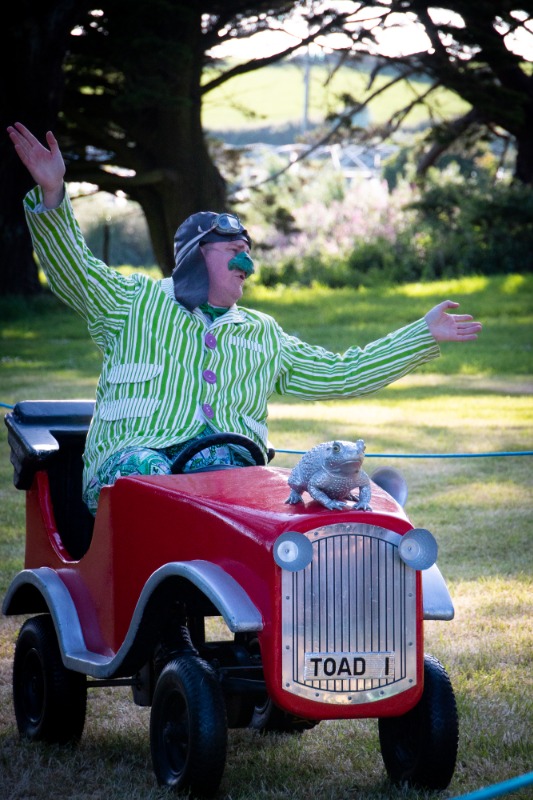
It is admirable how Katie Scott, the festival director, and her team have firmly put Ripon on the theatrical map. Theatre groups and actors no longer ask, "Ripon? Why?" They want to be part of it. The festival has become a destination, not just a venue.
The Charlesworths and I found ourselves utterly compelled by the intimate one-man shows and small ensemble pieces like Spy Movie: The Play and A Midsummer Night's Dream. There's something powerful about theatre stripped back to its essentials—performance, audience, and the electricity between them.
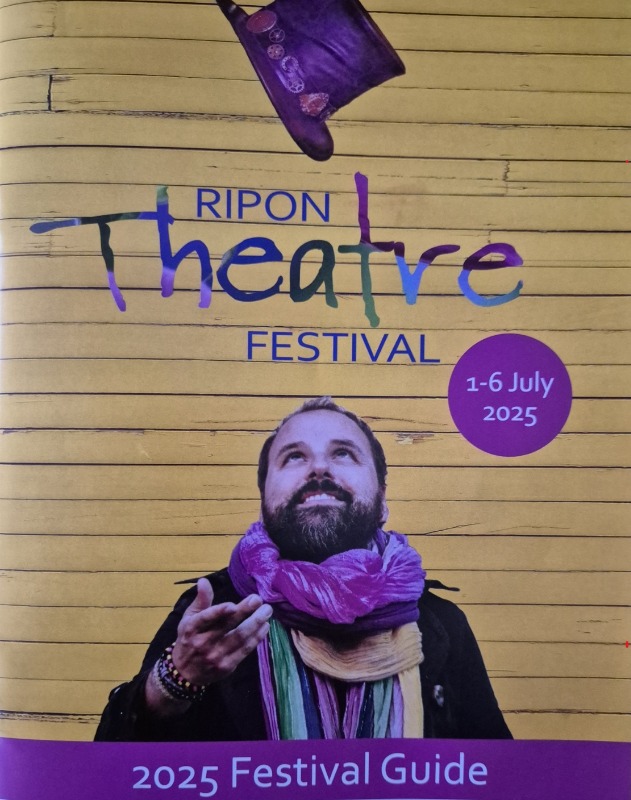
Even the practicalities reflect this streamlined approach. Gone are the hefty, costly programme books that festival-goers traditionally thumb through. Instead, the prospectus contains everything you need. The audience simply sits down, listens, observes, and enjoys what's on offer without drowning in unnecessary extras. It's theatre focused on what matters: the experience itself.
The festival's magic works across all ages. Tomas and Aoife were mesmerised by the virtuosic theatrical technicalities—how do you slap someone and make it look effective with sound effects? During a Q&A with Russell Lucas, Eleanor mentioned that Aoife had come home from school that day talking about the Titanic and "a man who had had to swim a long way." Lucas's one-man show was Third Class—A Titanic Story, based on the life of survivor Edward Dorking. It was Dorking to whom the Aoife was referring—proof that great theatre creates lasting impressions that spill into everyday conversation.
This ripple effect extends beyond individual families. After the stunning performance of A Midsummer Night's Dream, I asked someone if they had enjoyed it and whether they had been to other performances. They hadn't, but their immediate response was telling: "We will make sure we are at everything next year!" Another person told me that Almost Austen had been stunning.
The festival's approach offers a blueprint for cultural success in an increasingly competitive landscape. While other venues chase trends or retreat into safe programming, Ripon has built something that feels both ambitious and accessible, professional and personal. It's a formula that deserves wider recognition—and imitation.
Also by Andrew Palmer...
Full Service History: Matt Miller's Joyful Solo Show Gets Right Under The BonnetClassical Music: Arise ShineClassical Music: Fireworks And FanfaresClassical Music: Edmund Rubbra Crucifixus Pro Nobis: Choral MusicBucket List: Not A Destination, But An ExperienceMore in this series...
A Dream Come True: The Three Inch Fools Cast Their Spell In RiponShaken, Stirred, And Absolutely Smashing!Titanic Tale Leaves Audiences BreathlessSacred Ground: Andrew Harrison's Transcendent Portrayal of Henri NouwenTheatre Takes Centre Stage: Katie Scott on Ripon's Bold Cultural Revolution