



search
date/time

Sat, 10:00PM
light rain
17.7°C
W 10mph
light rain
17.7°C
W 10mph
 | Sunrise | 3:44AM |
| Sunset | 8:45PM |  |

Jeremy Williams
Arts Correspondent
@jeremydwilliams
P.ublished 4th July 2026
arts
Review
Albums: Madonna Confessions II
Tracks: I Feel So Free; Good For The Soul; One Step Away; Bring Your Love (ft. Sabrina Carpenter); Danceteria; Read My Lips (ft. Feid); Everything; Love Sensation; Love Without Words; Bizarre (ft. Martin Garrix); School; Fragile; My Sins Are My Saviour (ft. Stromae); Betrayal; The Test (ft. Lola Leon); L.E.S. Girl
Label: Warner Records
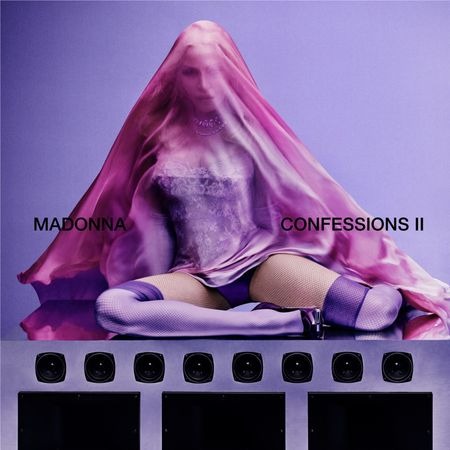
What makes Confessions II so compelling isn't simply its immaculate production or irresistible hooks. It's the confidence. Madonna no longer sounds interested in proving she can keep up with younger artists because she doesn't have to. If anything, the album serves as a reminder that many of today's biggest pop stars are still working within a blueprint she helped create decades ago. Instead of borrowing from current trends, she revisits the musical DNA that inspired her from the beginning and somehow makes it feel exciting all over again.
The album balances pure euphoria with surprising vulnerability. The dance tracks pulse with joy and abandon, yet beneath the glitter lies an artist reflecting on identity, loss, love and survival. Those moments of introspection give the record genuine emotional weight without ever disrupting its momentum. Madonna has always understood that the best dance music isn't escapism—it allows people to confront real emotions while moving through them.
Vocally, she sounds engaged, expressive and completely invested in the material. Gone is any sense of detachment; every performance feels purposeful. Whether delivering an intimate confession or commanding the dancefloor, she inhabits each song with conviction, reminding listeners that charisma has always been one of her greatest instruments.
Perhaps most importantly, Confessions II reasserts Madonna's greatest strength: innovation. While many legacy artists settle into nostalgia, she refuses to become a tribute act to her own career. The album acknowledges her past without being trapped by it, celebrating the sounds and experiences that shaped her while continuing to push them forward. That's a distinction few artists of her generation—or any generation—can honestly claim.
This isn't merely a successful sequel to one of her defining records. It's a statement of intent from an artist who has reclaimed her creative authority. Confessions II is exhilarating, emotionally rich and endlessly danceable, reminding us why Madonna remains pop's ultimate disruptor. Long after countless imitators have come and gone, she's still finding new ways to move the culture—and the dance floor.