



search
date/time

Mon, 4:00PM
scattered clouds
23.1°C
WSW 7mph
scattered clouds
23.1°C
WSW 7mph
 | Sunrise | 4:04AM |
| Sunset | 8:30PM |  |
Jeremy Williams
Arts Correspondent
@jeremydwilliams
P.ublished 27th June 2026
arts
In Conversation: Scott Quinn
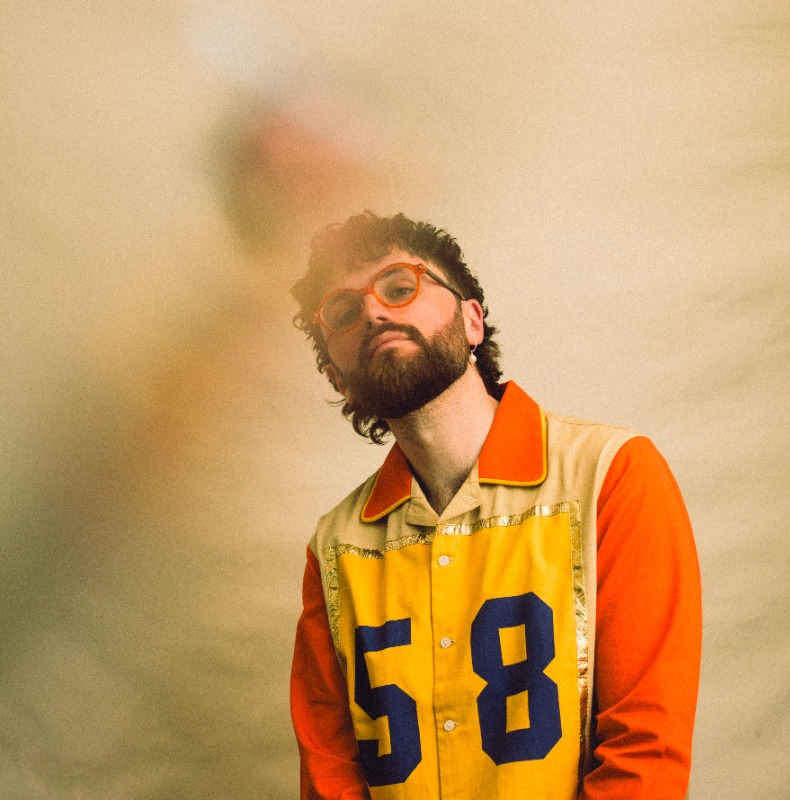
Scott Quinn
Photo: Harvey Pearson
I wrote this song a while ago, and it was definitely inspired by past experiences, but more recently I went through a breakup, and the song took on a new meaning for me. It’s a sad and heartbreaking realisation when love isn’t enough to save a relationship, no matter how hard both people try.
You’ve described the push and pull between head and heart. How do you personally navigate that tension in real life?
Navigating facts versus feelings is always difficult. Sometimes the truth feels like the most painful route, but ultimately it’s usually the right one. In my experience, you just have to be kind and patient with yourself. We’re all human and we’re all just trying to figure everything out as we go along.
There’s a real vulnerability in the track. Was it difficult to be that open in your songwriting?
I realised very early on in my career that the more honest and vulnerable I am, the more the music resonates with people. I take great pride in being an example of that and encouraging others to do the same.
What do you hope someone going through a similar situation takes away after hearing Overdrawn?
Friends of mine have said that Overdrawn really helped them find closure after a breakup. I hope that’s the case for others too. Music is such an incredible healer, and I feel fortunate to be able to put words to people’s feelings and help them process these difficult experiences.
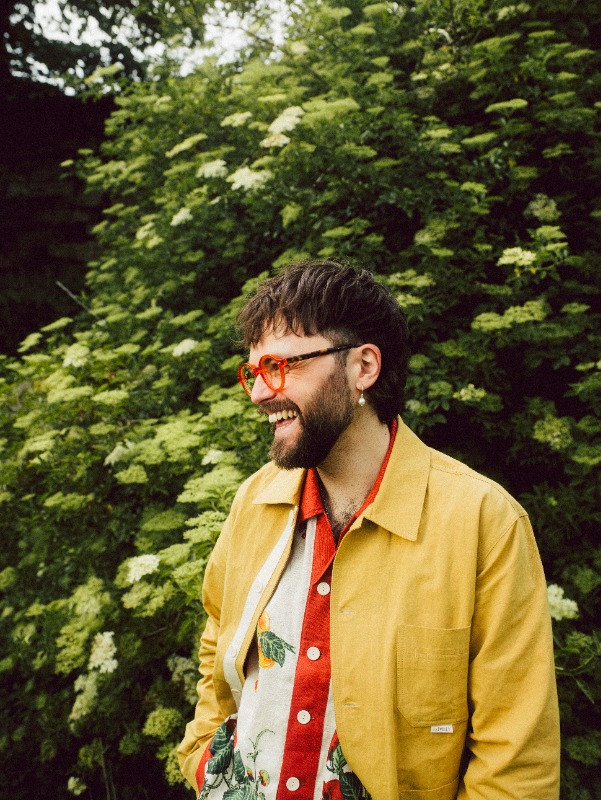
Scott Quinn
Photo: Harvey Pearson
I think a lot of music these days lacks soul and substance because everything moves so quickly and people are chasing the algorithm. Don’t get me started on AI. The greats like The Beatles, Billy Joel, Stevie Wonder and The Carpenters didn’t have all the noise of social media. They simply wrote what came from the heart, and that’s what I try to do. Classic songwriting is timeless and holds relevance throughout the ages. That’s what I aim for. I want my music to be emotionally relevant whether it’s heard today or in 50 years’ time.
The live instrumentation on your upcoming album sounds central. What does recording this way give you that digital production doesn’t?
There is nothing quite like sitting in a studio and feeling the resonance of real instruments being played. It comes back to that idea of timelessness. Real instruments never become dated. They’re magic and they have soul.
You arranged the string section for Overdrawn. What was that process like, and did it change how you hear your own music?
I grew up playing double bass to a high standard and loved performing in orchestras, so strings have always felt incredibly emotional to me. I think they add so much feeling to a track. My music theory knowledge is fairly limited, and harmony is largely intuitive for me, so I’ll often play the parts into Logic on my Mac. Then the talented string quartet I’ve been recording and performing with for years does an incredible job of interpreting my rough sketches into beautiful and expressive performances.
That middle eight moment you mentioned – what made hearing it back so surreal?
When I’m writing music, I can hear its final form almost from the very beginning. It’s like hearing echoes from the future. When you eventually reach the point where those premonitions come true, it’s euphoric. The vibrations and emotions all cluster together, and it becomes a very moving experience.
You’ve written for a wide range of artists, from BTS to Keith Urban. How does your approach differ when writing for yourself versus others?
Writing for others is incredibly freeing because it allows me to experiment with different genres and roleplay as a completely different artist. I don’t believe creativity should be rigid or fixed.
While I’m carving out my own lane as an artist, it’s fun to explore other worlds without confusing my audience. Writing for other artists is often easier because they’re the ones carrying the song and message forward. When I’m writing for myself, I’m so focused on making sure the lyrics are true to my own experiences that the process takes much longer.
Do you find it easier to be more emotionally exposed in your own music than in collaborative projects?
I’m not sure it’s easier, but it certainly means more because they’re my experiences in my voice. I’ve put my own stories into other people’s songs, but it never quite hits as hard as hearing your own truth delivered through your own voice.
What have those international collaborations taught you about storytelling in music?
They’ve cemented my belief that music is a universal language. You don’t have to understand the lyrics to be moved by a song. It’s extraordinary how a song of mine can resonate with people who don’t speak the language at all because the emotion, intention and energy of the music still communicate something meaningful.
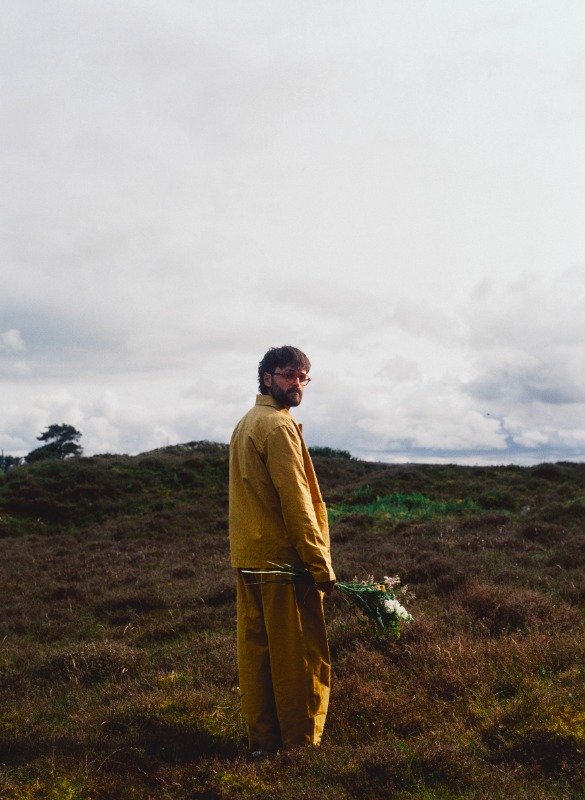
Scott Quinn
Photo: Harvey Pearson
I’ve always been the same person on stage as I am off stage. I don’t know any other way to be. Authenticity is something people seem to be chasing more and more these days, but ironically it isn’t something you try to do, you just do it. I enjoy making people feel safe and, in turn, allowing them to be emotional and vulnerable.
There’s so much strength in that. I’ve had the privilege of sharing deeply moving moments with people after shows where they’ve found solace, understanding or comfort in my music. That’s magic to me.
The Healing Hearts Club is a powerful concept. What inspired you to create it?
I love community, and I think now more than ever we need to be connecting in real and meaningful ways. Releasing my songs has shown me that we’re all going through very similar experiences and that the human experience is one of both suffering and growth. Doing that together, or alongside one another, makes those experiences more manageable.
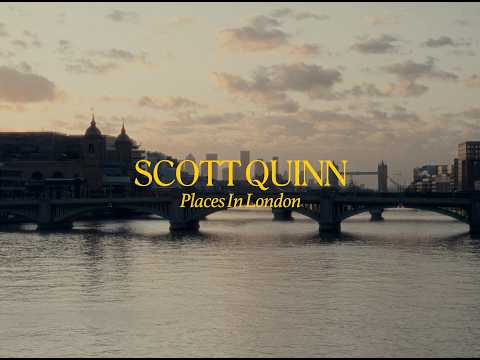
I recently created a website around my single Places in London where people can pin places they can no longer go after a breakup and share the stories behind them. The hope is that people can help one another reclaim those spaces and create new memories there. I’ve always believed it takes a village, so I’m trying to build virtual village halls wherever I can.
Visit www.placesin.london to submit your stories.
Live From The Clock Tower has become a hidden gem in London. What made you want to create that kind of intimate space?
I discovered the space through a viral TikTok where the owner of the tower, Peter, was asked how much rent he pays in London. The video gave a tour of his home, and the moment I saw the grand piano, I knew I had to play there. I emailed Peter and, 24 shows later, it has become a beautiful sold-out monthly music night showcasing incredible musicians and poets in a stripped-back and intimate setting.
It’s also become an amazing place for me to test new songs. There’s a palpable magic in that tower on those nights. Tickets are released through a mailing list, and all the details can be found on Instagram at @livefromtheclocktower.
As you work towards your debut album, what would you like listeners to understand about you by the time they’ve heard it?
My debut album is called Being Human, and it comes out on 2 October. I love the title for a few reasons. Firstly, it comes from a lyric in my song Brother, which I wrote for and about my brother. More than that, though, it sums up our time on Earth. To me, being human is a verb. It’s something we participate in and constantly try to understand and refine.
The human experience is beautiful, ugly, daunting, enlightening, fun, scary and boring. It’s full of contradictions. I hope this album celebrates all of that. I think many of us are chasing an impossible standard of perfection when really we should be celebrating the fact that we’re all flawed by design. That’s what makes us unique, and it’s what makes life interesting.