



search
date/time

Sat, 6:00PM
broken clouds
7.5°C
S 5mph
broken clouds
7.5°C
S 5mph
 | Sunrise | 7:02AM |
| Sunset | 5:44PM |  |

Jeremy Williams-Chalmers
Arts Correspondent
@jeremydwilliams
P.ublished 28th February 2026
arts
Review
Albums: Gogol Bordello We Mean It, Man!
Tracks: We Mean It, Man!; Life Is Possible Again; No Time For Idiots; Hater Liquidator; Boiling Point; Ignition; From Boyarka to Boyaca; Mystics; We Did Good With The Good We Did; Crayons; State of Shock; Solidarity.
Label: Casa Gogol
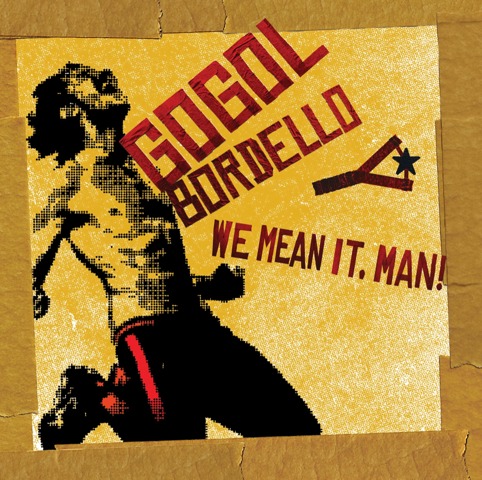
Co-produced by Nick Launay and Adam 'Atom' Greenspan — a team known for their work with Yeah Yeah Yeahs, Amyl & The Sniffers and IDLES — the album builds on new ground first explored during their 2023 collaboration with Bernard Sumner. That partnership hinted at a sleeker, more electronic direction; here, the transformation is complete. Loops, gated drums, white noise and vocoder vocals now sit comfortably alongside Sergey Ryabtsev’s ever-cinematic violin, which continues to function as the band’s melodic spearhead.
If earlier Gogol records felt like a travelling carnival teetering on the brink of glorious collapse, We Mean It, Man! feels like a disciplined column marching forward. The accordion wheeze and picturesque folklore haven’t disappeared entirely, but they’ve been dialled back. In their place are crunching riffs and stadium-sized choruses that sweep all before them.
The title track opens with churning guitars and pounding tribal drums, Eugene Hütz delivers a thunderous call to arms. His lyrics reference brothers divided and sisters bleeding — elliptical but unmistakable nods to the ongoing war in his Ukrainian homeland. Born near Kyiv and a long-time resident of Manhattan, Hütz has always foregrounded his roots; never more so than recently. If he once optimistically predicted a swift Ukrainian victory, that hope has since hardened into something sterner. There is no naivety here, only resolve.
Life Is Possible Again begins with programmed beats and a wash of industrial texture before blooming into an enormous, arms-aloft singalong. It’s the sort of anthem that could storm Eurovision — and that’s meant as praise, not insult. In lesser hands, it might tip into bombast; Gogol Bordello, instead, makes it feel like survival through volume.
Then there’s No Time For Idiots, a blast of Strummer/Jones-style riff-punk that openly salutes The Clash. Hütz remains one of rock’s most tireless frontmen, barking slogans in his cracked accent as if they are the most urgent truths ever uttered. “You might be Socrates, or you might be Confucius,” he quips, “but don’t forget about the moron always lurking in the bushes.” It’s absurd, funny, and oddly wise— classic Hütz.
The tempo shifts frequently, but the intensity rarely dips. “Hater Liquidator” stomps with disco inflections and fairground organ flourishes, while “Ignition” pulses with post-punk funk, its synths pushing the band into territory not far removed from New Order. That resemblance proves no accident when Sumner himself appears on a revamped take of the Angelic Upstarts’ “Solidarity”, turning the old Solidarność-punk anthem into a synth-pop-flavoured paean to Ukraine. Where earlier tracks gesture toward the conflict in metaphor, this one spells it out plainly: solidarity not as a slogan but as a promise.
Perhaps the album’s most striking moment of cross-cultural exuberance comes with “From Boyarka to Boyaca”. Featuring Victoria Espinoza of Puzzled Panther, the song links Hütz’s birthplace to a Colombian namesake town, trading Spanish and Ukrainian vocals over a lilting Latin groove. It’s a reminder that even in streamlined mode, Gogol Bordello remain joyfully borderless.
Long-time fans may miss some of the endearing scruffiness that once defined the band — that sense they might tumble offstage at any moment in a shower of sweat and confetti. But tough times call for tough music. The production gives these songs heft and discipline without sanding off their spirit. At 53, Hütz still performs as though climbing atop a bass drum over a seething pit, and you never doubt these tracks will translate ferociously to the stage.
There is, perhaps, a danger in constant uplift. Gogol Bordello have always existed at a near-permanent peak: triumphant, uptempo, loud. Subtlety has never been their calling card. Yet in an era of “evil Presidentes” and grinding conflict, understatement would feel misplaced. This is not a band posturing for revolution; it’s one living through history in real time.
We Mean It, Man! tweaks the Gogol formula just enough — adding electronic muscle and new-wave sheen — while delivering the flurry of punches fans expect. It is the sound of a group who have bulked up to fighting weight, trading carnival chaos for juggernaut momentum. And when they say they mean it, they aren’t messing around.