



search
date/time
Tue, 4:00PM
light rain
14.9°C
WSW 20mph
light rain
14.9°C
WSW 20mph
 | Sunrise | 3:39AM |
| Sunset | 8:41PM |  |
P.ublished 20th May 2026
nature
Zookeepers Help Raise Uk’s Only Baby Aardvark Called Womble At Chester Zoo
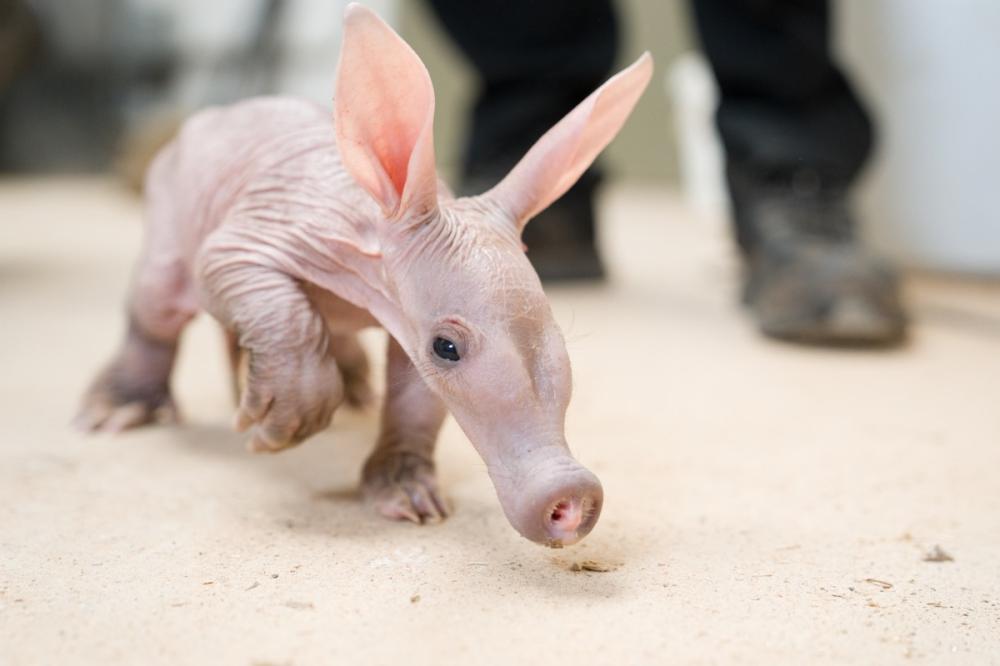
A tiny aardvark calf, affectionately nicknamed Womble, is being cared for by conservationists at Chester Zoo after they stepped in to help raise the youngster
The tiny arrival – only the second aardvark ever born at the zoo in its 94-year history – was born healthy, but mum Oni wasn’t producing enough milk to fully support the youngster.
As aardvarks are naturally nocturnal animals, keepers stepped in to provide supplementary feeds throughout the night for several weeks while Oni headed off to forage for food.
Keepers have nicknamed the calf 'Womble', after the creatures from the children’s novels and popular TV show, thanks to its long snout, wrinkly hairless skin and enormous claws.
.jpg)
“Oni’s new arrival is only the second aardvark to be born at the zoo in our 94-year history, so it’s a really special addition for us all. While we don’t yet know whether the calf is male or female, as it’s a little too young for us to tell, the nickname ‘Womble’ has definitely stuck. With the calf’s giant ears, long snout and playful personality, we think it’s the perfect fit for the time being.
“Aardvarks spend their days sleeping and are most active at night, so while mum Oni heads off to forage for food, we’ve been giving the calf some extra support to help it grow stronger. For the first few weeks, we placed the youngster into a cosy incubator each evening and it was bottle-fed warm milk every few hours throughout the night before being carefully reunited back with mum each morning.
“Womble has gone from strength to strength and is doing brilliantly, so now lives fulltime back with mum Oni - and it’s wonderful to see them snuggled up side-by-side together.”
With only 68 aardvarks in European zoos and just 114 worldwide, Chester Zoo is one of just a few organisations caring for the species. Womble is the only aardvark calf to be born in the UK since 2024.
Aardvarks are native to sub-Saharan Africa, where they face significant threats from habitat loss because of agricultural development - which often brings them into conflict with local farmers. In the wild, they are also hunted for their meat. The word 'aardvark' translates to 'earth pig' in Afrikaans.
The nocturnal animals are perfectly adapted to their underground lifestyle. They use their long snouts and heightened sense of smell to sniff out termites and ants, using their large powerful claws to dig them out of the ground. Their extraordinarily long tongue, which measures 25 centimetres, helps them to lap up large numbers of bugs as quickly as possible.
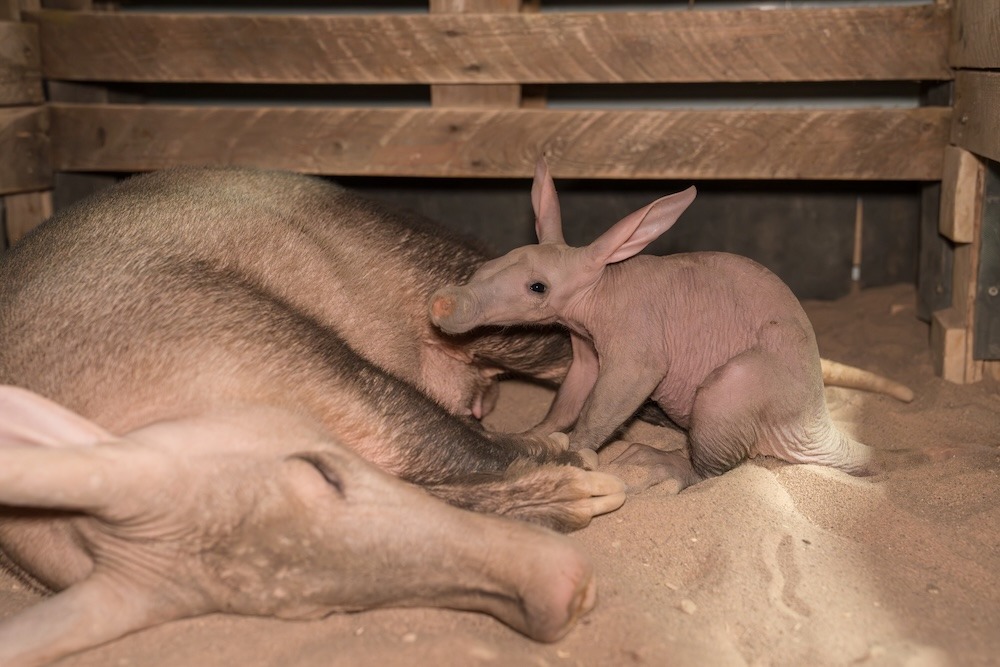
Womble has gone strength to strength and now lives full-time with mum
The calf was born on 3 April 2026
Mum, Oni, was born on 08/05/2013 (13 years old) and dad, Koos, was born on 01/02/2016 (10 years old)
Aardvarks are nocturnal mammals, meaning they sleep during the day and come out at night.
Their name means “earth pig” in the Afrikaans language.
Aardvarks are native to sub-Saharan Africa.
They use their powerful claws to dig huge burrows and search for food underground.
Their favourite foods are ants and termites, which they lap up using a sticky tongue that can reach 25cm long.
Despite looking similar, aardvarks are not closely related to pigs, anteaters or armadillos.
Aardvarks have large ears and an excellent sense of smell to help them find insects in the dark.
They can close their nostrils while digging to stop dust and dirt getting up their noses.
A fully grown aardvark can weigh up to 60kg.
Aardvark babies are called calves and stay close to their mums during the first few months of life.