



search
date/time

Mon, 4:00AM
overcast clouds
10.3°C
ENE 6mph
overcast clouds
10.3°C
ENE 6mph
 | Sunrise | 3:37AM |
| Sunset | 8:45PM |  |
P.ublished 12th June 2026
business
Young People In The North West Turn To AI And Social Media For Career Advice
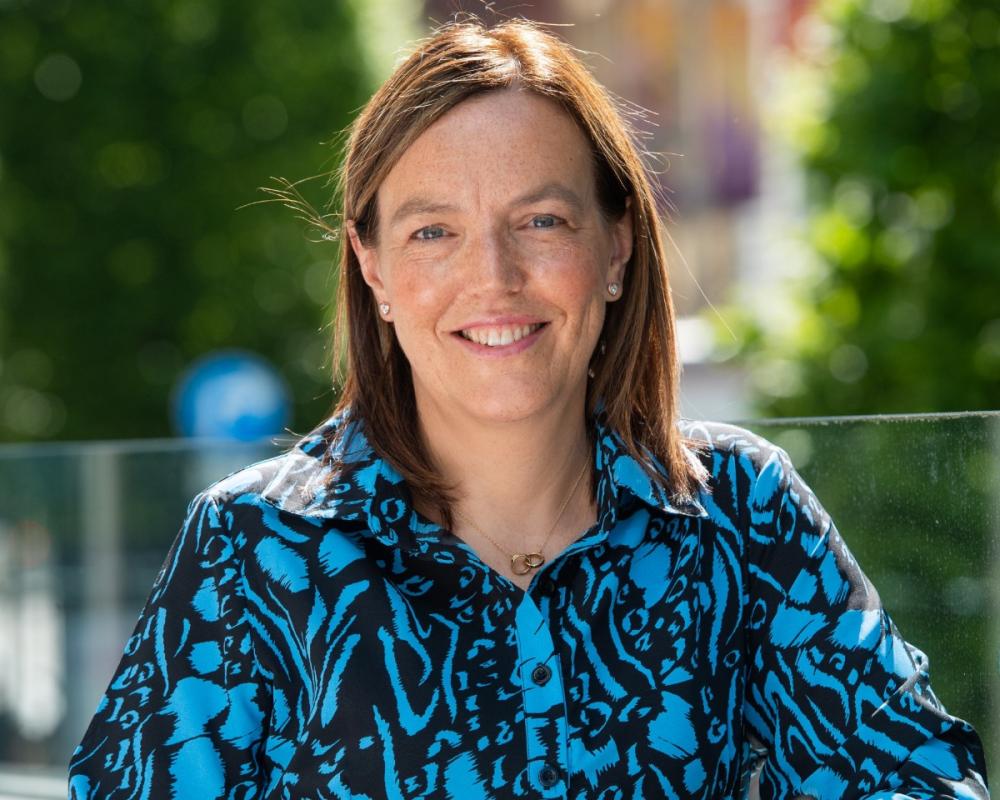
Angela Cross
BDO’s ‘Young Minds 2026: The Unequal Advantage’ report, based on a survey of 2,000 18–25-year-olds, highlights a growing shift towards digital sources of guidance amid widening inequalities in access to opportunity.
The research shows that over two thirds (70%) of young people in the North West now use digital sources to inform their career decisions, including AI tools (29%), social media influencers (26%) and other online research (15%).
Worryingly, at a national level, those from a lower socio-economic background are more likely to rely on these tools than they are on family networks and teachers, underlining a structural gap in access and advice. It also highlights a growing risk that technology is substituting, rather than complementing, structured careers guidance.
Systemic unequal advantage shaping early career outcomes
The research points to what BDO calls a clear systemic “unequal advantage” in access to opportunity, with disparities evident across socio-economic backgrounds, neurodivergence and geography.
Across the UK, fewer young people from lower socio-economic backgrounds have taken part in structured careers preparation, such as CV workshops or mock interviews, compared their more advantaged peers.
At the same time, nationally only 27% of neurodivergent respondents have received support from their personal networks to find relevant work experience, compared to 38% of neurotypical respondents.
Geographic disparities reinforce this pattern of unequal advantage, with young people in the North West being more than one and half times less likely to have established professional connections than those in the South East.
Opportunities to engage with employers also vary significantly. In areas such as Scotland (47%), the South West (47%) and the West Midlands (46%), young people are far more likely to have had meaningful interactions with businesses during education compared to those in the North West (37%).
The findings tell us that almost all young people believe at least one barrier is preventing them from getting a job or advancing in their career. It’s clear that too many are still being held back by what they were born into, whether that’s where they live, their social capital or the support they have access to.
While technology is creating new ways for young people to explore careers, it cannot replace the value of meaningful, personal guidance. The findings expose deep and persistent inequalities in access to opportunity across the UK.
If we are serious about improving social mobility, we need to ensure that access to opportunity is not determined by background but shaped by talent and potential. That requires coordinated action from employers, educators and policymakers to create pathways that are visible, accessible and fair for everyone.
BDO is calling on the government to address these challenges through stronger alignment between education, employers and policymakers. It supports the introduction of an apprenticeship clearing-style system that is aligned to employer recruitment cycles, with safeguards in place to ensure equal visibility for employers of all sizes.