



search
date/time

Mon, 10:00PM
light rain
17.3°C
E 11mph
light rain
17.3°C
E 11mph
 | Sunrise | 3:37AM |
| Sunset | 8:45PM |  |
P.ublished 23rd May 2026
frontpage
What Rising Brain Injury Admissions Tell US About The Hidden Long-Term Impact Of Trauma In The UK
By Martin Usher, Head of Serious Injury at Lime Solicitors
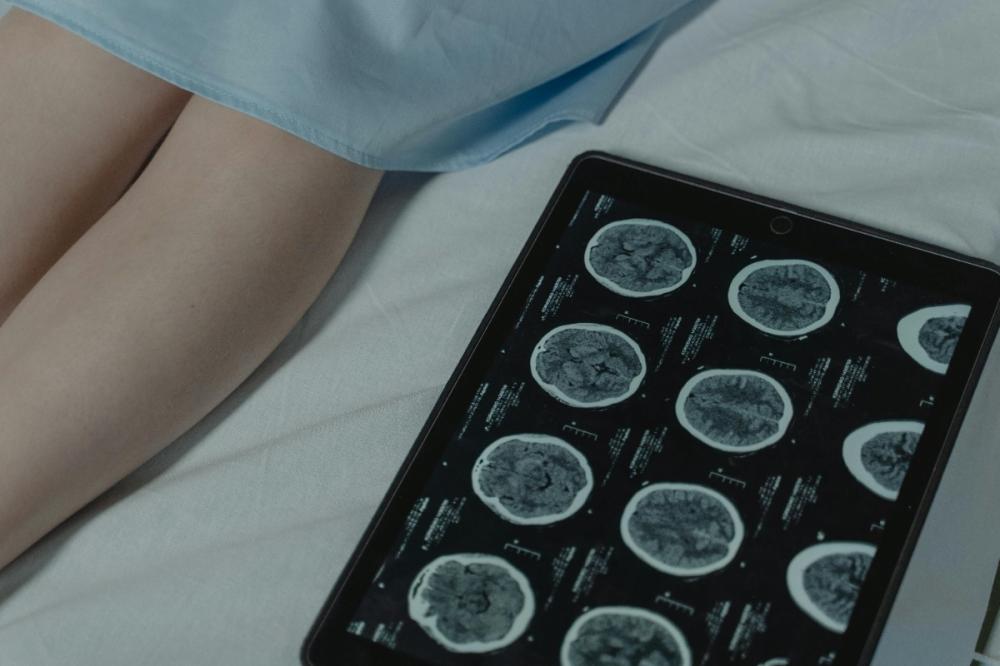
Image: Tima Miroshnichenko on Pexels
But for many families living through the reality of brain injury, the real challenge often starts only after the surgery is complete and the patient has been discharged from hospital.
New Freedom of Information data obtained by Lime Solicitors suggests admissions for serious brain injuries at major trauma centres able to provide complete data rose from 8,181 in 2020 to 9,034 in 2024, with admissions remaining above 9,000 annually since 2022.
At first glance, those figures may appear to represent a relatively modest increase. But in reality, they point to hundreds of additional people every year requiring highly specialised emergency treatment, rehabilitation and long-term support following life-changing injuries.

Martin Usher
We carried out the FOI request because we wanted to better understand whether the demand on trauma services was changing and what that might mean for patients and families living with life-altering injuries.
The figures help paint a broader picture of the growing scale of serious brain injuries in the years following the pandemic. While advances in emergency medicine mean more people are surviving traumatic incidents than ever before, survival is only part of the story.
Many patients face months or years of rehabilitation and, in some cases, permanent changes to their independence, employment, relationships and ability to participate in everyday life.
By carrying out the FOI exercise, we wanted to contribute meaningful evidence to the wider conversation around rehabilitation, long-term care and access to support services.
The figures also hint at a wider societal trend. The lower admissions figure recorded in 2020 likely reflected the unusual conditions created by the pandemic – quieter roads, reduced travel and lower levels of public activity during lockdown periods. The sustained increase since then suggests not only a return to pre-pandemic activity levels, but potentially growing pressure on trauma and rehabilitation services overall.
At the same time, the way traumatic brain injuries are treated has evolved significantly over the past decade.
With the introduction of major trauma centres in 2012, there has been a major improvement in the acute medical treatment available following traumatic brain injury. More people now survive injuries that, in previous years, may have proved fatal.
That progress should absolutely be celebrated. But it also means that increasing numbers of people are now living with the long-term consequences of serious neurological trauma.
Traumatic brain injuries can affect memory, speech, concentration, mobility, emotional regulation and fatigue. Some people are able to return to work and independent living relatively quickly, while others require lifelong support.
In many cases, families suddenly find themselves becoming carers with little preparation or warning, navigating unfamiliar medical systems while also trying to adjust emotionally and financially to a completely different future.
One of the biggest challenges facing brain injury survivors is that rehabilitation services have not always kept pace with advances in emergency medicine.
The rehabilitation stage following traumatic brain injury is absolutely critical in terms of helping people return to maximum independence and quality of life. Evidence suggests that rehabilitation is time-sensitive and that early intervention can have a major impact on long-term outcomes.
Yet provision across the country remains inconsistent. Some areas benefit from outstanding inpatient neurorehabilitation facilities and excellent community-based programmes. Others have very limited access to specialist rehabilitation support at all.
That geographic inequality is something the healthcare system urgently needs to address. A person’s ability to achieve the best possible recovery following brain injury should not depend on where they happen to live.
From speaking with clients and families affected by traumatic brain injuries, one issue comes up repeatedly: many people feel well supported during the emergency phase of treatment, but far less supported once they return home and begin adjusting to the realities of day-to-day life after injury. That period can be incredibly isolating.
Recovery from brain injury is rarely linear. Progress can take months or years, and setbacks are common. Alongside physical symptoms, many survivors also experience anxiety, depression, personality changes or difficulties maintaining relationships and employment.
These are not always visible injuries, but they can profoundly affect every aspect of a person’s life.
There is sometimes a tendency to think about traumatic brain injury only in terms of the accident itself – the crash, the fall, the emergency surgery, the intensive care unit. But brain injury should also be viewed as a long-term public health and rehabilitation issue.
The increase in admissions highlighted by our FOI data reinforces the importance of rehabilitation pathways that extend beyond acute hospital care. Access to neurorehabilitation, psychological support and community-based services can make a profound difference to long-term quality of life for survivors and their families.
As Action for Brain Injury Week highlights the experiences of those living with neurological trauma, it is important that the conversation does not end with survival alone.
Survival matters enormously. But so too does what happens afterwards – the support people receive, the rehabilitation they can access and the opportunity they are given to rebuild their lives after injury.