



search
date/time

Sun, 1:00AM
few clouds
9.2°C
WNW 10mph
few clouds
9.2°C
WNW 10mph
 | Sunrise | 6:30AM |
| Sunset | 5:24PM |  |

Woody Barlow
Hospitality Correspondent
P.ublished 20th June 2026
lifestyle
Pubs Have Championed Social Networking For Centuries
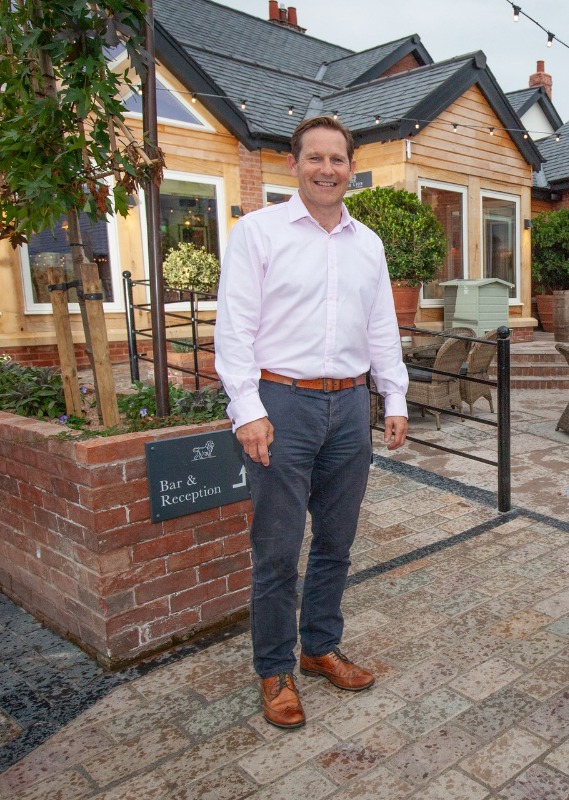
Woody (Edward) Barlow
Let’s start at the beginning: bookings. AI-powered systems are getting remarkably good at predicting what guests want before they’ve quite worked it out themselves. Search for a country pub with rooms and, almost instantly, you’ll be served options that match your past behaviour, preferred price point, and even the sort of décor you tend to linger on. Empty rooms and quiet tables can be targeted with precision, reducing waste and improving margins.
Dynamic pricing, another AI-driven tool, means rates can flex in real time depending on demand, weather, local events, or even how far a potential guest lives from the venue. For many rural areas seasonality has always been a challenge; this kind of responsiveness could make a tangible difference. A rainy midweek in November might no longer spell doom if the right offer lands in the right inbox at the right moment.
From the guest’s perspective, AI can also streamline the process. Chatbots, once clunky and frustrating, are now far more conversational. They can answer questions about parking, dietary requirements, or check-in times in seconds, at any hour. No more waiting for someone to pick up the phone during a busy service. For international visitors especially, instant translation tools remove barriers that might once have put them off booking altogether.
.jpg)
On the flip side, guests are being guided by AI when choosing where to go. Search engines are no longer just listing results; they’re curating them. “Best Sunday roast near me” doesn’t simply produce a list, it offers a tailored selection based on ratings, relevance, and personal preference.
So far, so impressive. But here’s the rub: hospitality is not a purely transactional business. It never has been.
A booking system can fill a room, but it can’t create the feeling of walking into a pub where the fire is already lit and someone greets you like they mean it. A chatbot can confirm your dinner reservation, but it can’t recommend a local ale with genuine enthusiasm or share a story about the farmer who supplied the lamb on your plate. These things matter, arguably more than ever.
There’s also the question of authenticity. AI can generate descriptions, menus, even social media posts in seconds. But there’s a risk that everything starts to sound the same: polished, efficient, and utterly devoid of character. The best pubs and inns don’t just offer food and lodging; they offer personality. A sense of place. These are not easily replicated by an algorithm trained on averages.
And while AI can analyse reviews, it can’t truly understand them. It might tell you that guests frequently mention “friendly staff,” but it doesn’t know what that friendliness felt like in the moment, the small, human interactions that turn a good stay into a memorable one. Nor can it fix a problem with the same nuance as an experienced host who reads the room and responds accordingly.
.jpg)
None of this is to say AI doesn’t have a place. It clearly does, and a valuable one at that. Used wisely, it can take care of the background noise - the admin, the analysis, the repetitive tasks - freeing up time for what really matters: the guest experience.
But it’s not a silver bullet. Not yet, and perhaps not ever.
Because at its heart, hospitality is about people. It’s about the welcome, the atmosphere, the sense that you’re somewhere real, not just somewhere convenient. You can automate a booking, but you can’t automate belonging. You can optimise a search result, but you can’t manufacture charm.
In the end, people make the pub. Always have, always will. AI might help get guests through the door, but it’s what happens after that keeps them coming back.
And that’s something no machine has quite cracked.
Also by Woody Barlow...
The Joy Of Slowing Down: Why We All Need More Time Around The TableEveryone's an Influencer – Whether They Know It or NotAll-Day Welcome: How Pubs Are Meeting Demand From Breakfast To LunchLearnings From Down Under: What Aussie Hospitality Can Teach US (And What They Can Learn From Us)Go Clarkson!The shortened address for this article is: newspub.uk/11zw0