



search
date/time

Sat, 7:00AM
broken clouds
5.3°C
NW 3mph
broken clouds
5.3°C
NW 3mph
 | Sunrise | 4:06AM |
| Sunset | 8:08PM |  |

Allison Lee
Smallholding Correspondent
P.ublished 25th April 2026
lifestyle
Preventing A Rat Problem
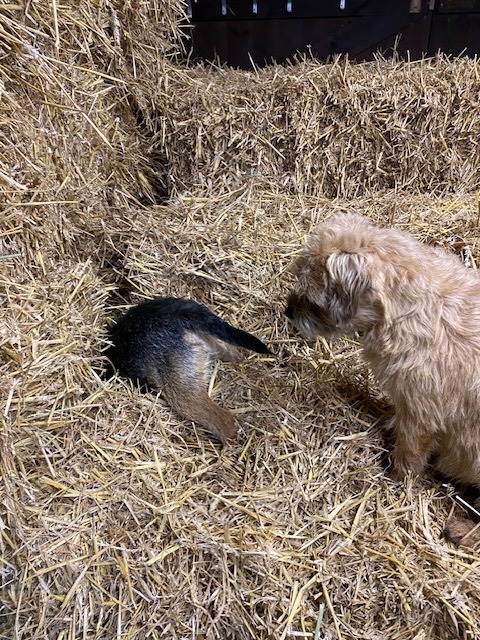
Barney and Basil Hunting in the Hay Barn.
Rats are encouraged in the winter months by the lure of the warm hay barn and the ready supply of feed, either by foraging in the feed store or by eating any leftovers from the animals' feed bowls.
The biggest problem with rats is that they are never alone! They breed rapidly, and without intervention, you can soon find yourself with an enormous problem.
Rats reach sexual maturity and can breed within 8 weeks of birth. Considering that a female rat can give birth to more than 50 offspring a year, each becoming sexually mature at 8 weeks, it doesn’t take a genius to work out how quickly the smallholding can become overrun with these little critters. Provided with a safe, secure place to live, with food and water on tap, they will never feel the need to leave.
Although September is commonly regarded as the start of the rat season on farms and smallholdings, it pays to be vigilant all year round, as easy pickings will attract vermin at any time. The summer months offer rich pickings in the fields; however, a well-stocked vegetable garden can be just as enticing as a field of grain and, in many cases, even more appealing.
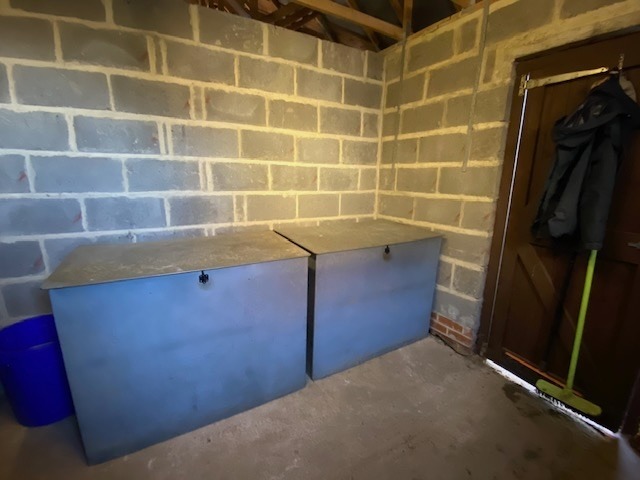
Rat Proof Metal Feed Bins
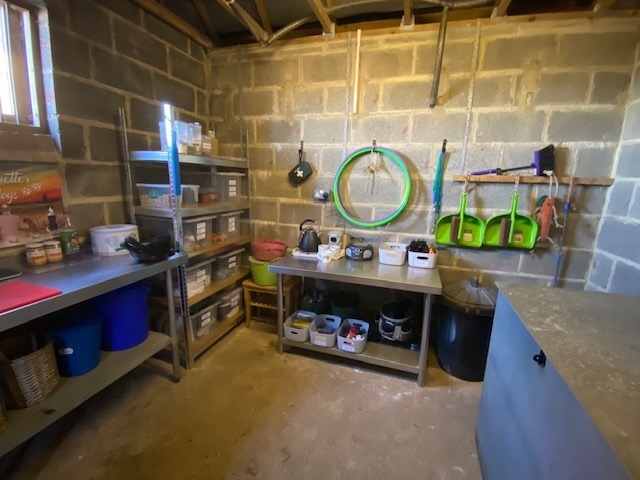
Keeping the Feedstore Tidy is Essential
Rats bring several problems to the smallholding. In addition to eating their way through your prized vegetables, they will also eat their way through bags of animal feed, given the opportunity, making their presence in the holding very costly. Aside from the loss of feed, they can cause immense damage to buildings and machinery.
Rats are also ideal carriers of disease. Their robust immune system makes them hosts to a number of devastating diseases, such as avian influenza and salmonella, which can harm the animals and poultry on the holding. It is essential, therefore, that you do as much as you can to deter rats and ensure they do not get the chance to take hold on your land.
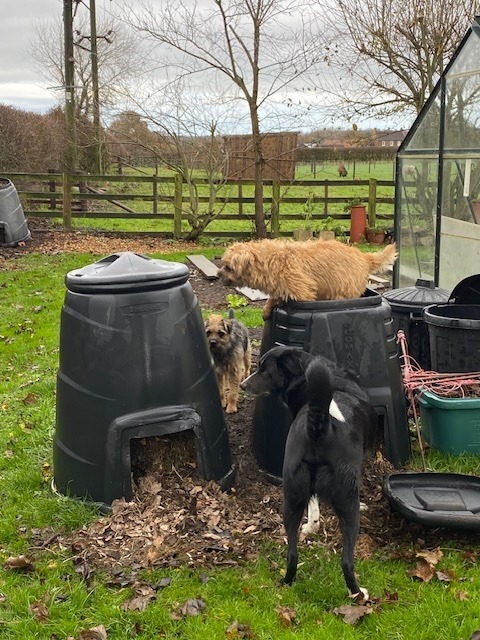
Compost bins can encourage rats.
Make sure that all feed is stored securely in rat-proof containers. Tall metal bins with secure lids can be purchased from farm stores.
Immediately sweep up any spilt feed to prevent attracting rats. Pay special attention after feeding times to reduce any opportunity for rats to access leftover food.
Store feed bags without delay after delivery. Do not leave bags exposed, as such behaviour invites rats to access their contents.
Consider using treadle feeders for poultry. These open when the bird steps on the treadle. The bird, which is heavier than a rat, uses its weight to operate the treadle. However, these feeders are not suitable for chicks that are not heavy enough to operate the mechanism, so this limitation is something to bear in mind.
Ensure your chicken coop is as rat-proof as possible. This can be achieved by placing the coop on raised concrete slabs to prevent rats from burrowing underneath.
Clear away areas that attract rats, such as piles of wood and waste left around the farmyard or smallholding. If it is no longer useful or needed, take it to the tip rather than let it become a welcoming home for a nest of rats. Remember, though, that other wildlife, such as hedgehogs, also like to make their hibernation beds in logs and piles of leaves, so make sure they have access to safe areas.
Place compost bins on concrete slabs. Ensure the slab fully covers the bottom of the bin to block all entry points and prevent rats from burrowing underneath, while still allowing easy access to the compost.
Detecting rats on the smallholding is not difficult. Signs include droppings, chewed feed bags, gnawed fruit and vegetables, and bite marks on bins, containers, and doors.
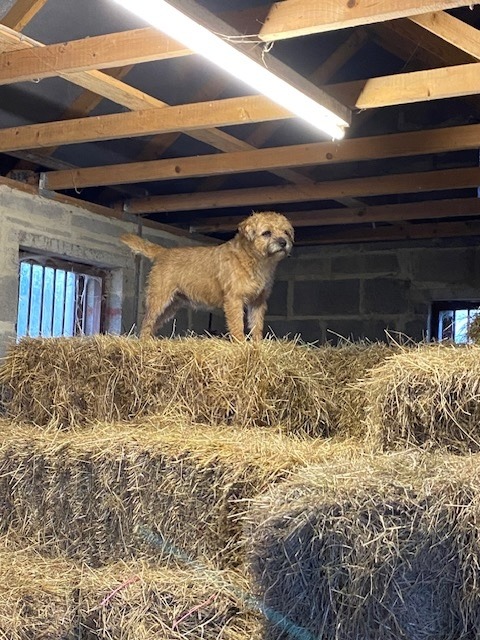
Terriers are excellent rat catchers.
Rats prefer to stay close to their nests; therefore, cutting off their food and water supply is the best way to get rid of them!
If all else fails, I highly recommend getting a couple of terriers. My two border terriers are excellent ratters, and as they work as a team, absolutely nothing gets past them!