



search
date/time
Sat, 1:00PM
light rain
8.3°C
SSE 23mph
light rain
8.3°C
SSE 23mph
 | Sunrise | 6:55AM |
| Sunset | 4:54PM |  |

Allison Lee
Smallholding Correspondent
P.ublished 3rd October 2026
lifestyle
Planning Ahead
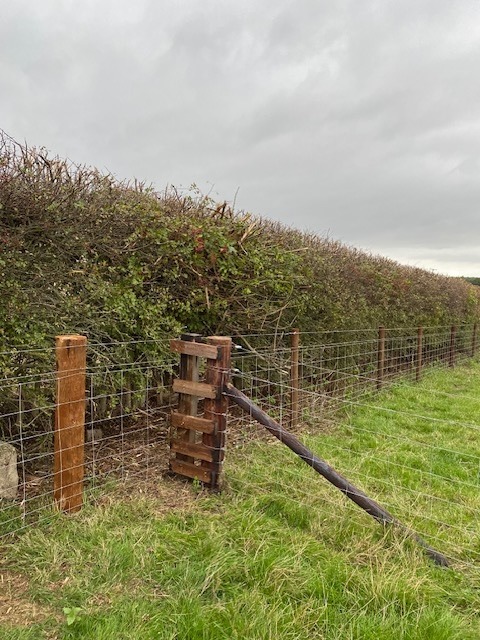
Hedge Trimming
Despite the weather, it always pays to think ahead; the key to successful crop production is not simply to think about current crops but to plan for the next ones.
Sequential planting is essential to keep the soil healthy and free from pests and diseases.
Growing the same crops in the same area for extended periods can cause problems. The soil loses nutrients, and pests and diseases accumulate. Crop rotation is important to avoid planting the same crops in the same place year after year. This practice reduces soil-borne pests and diseases, enhances soil health, and optimises nutrient levels.
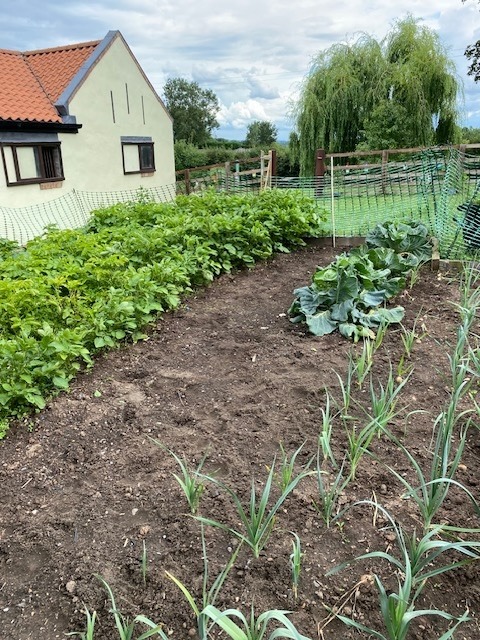
Rotating Crops Benefits Soil
Year 1: Potatoes and tomatoes
Year 2: Legumes, including beans and peas
Year 3: Brassicas, including sprouts, cauliflower, kale, and swede
Year 4: Root vegetables, including carrots, celery, parsnips, and beetroot.
Year 5: Onions, including shallots, garlic, and leeks.
Because each plant mentioned above has a different root length, they all help improve soil structure and reduce the need for pest control.
To keep your crops healthy, grow a variety of produce. This not only provides a range of vegetables but also helps prevent pests from destroying the whole crop. Some varieties are more vulnerable to pests than others, so mixed planting can ensure some survive.
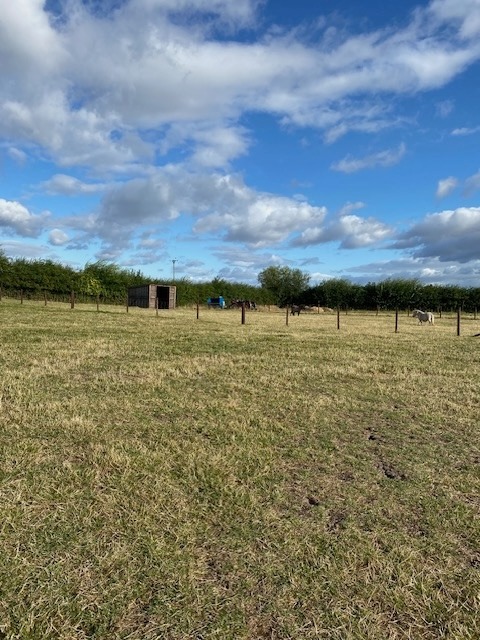
Scorched Paddocks Due To Lack Of Rain.
We are now well into hedge-cutting season, and as our smallholding is surrounded by hedges, I firmly believe they should be trimmed annually. Regular trimming means they don’t need to be drastically hacked back but are kept tidy while allowing sufficient growth for nesting birds. The main cutting season runs from September through to February, after birds have finished nesting and before new growth resumes in spring. It is worth remembering that under the Wildlife and Countryside Act 1981, it is an offence to damage or destroy active bird nests. Therefore, you have a responsibility to check your hedges before trimming.
Also by Allison Lee...
Clicker Training DonkeysBrown Eggs Or White - Which Is Better?Feeding The BirdsHeading Into AutumnThe Importance Of Community Hubs In Rural AreasThe shortened address for this article is: newspub.uk/1213v