



search
date/time

Thu, 1:00PM
scattered clouds
8.7°C
WSW 8mph
scattered clouds
8.7°C
WSW 8mph
 | Sunrise | 5:41AM |
| Sunset | 6:47PM |  |
P.ublished 6th November 2025
frontpage
Historic England Reveals Its Heritage At Risk In The North West
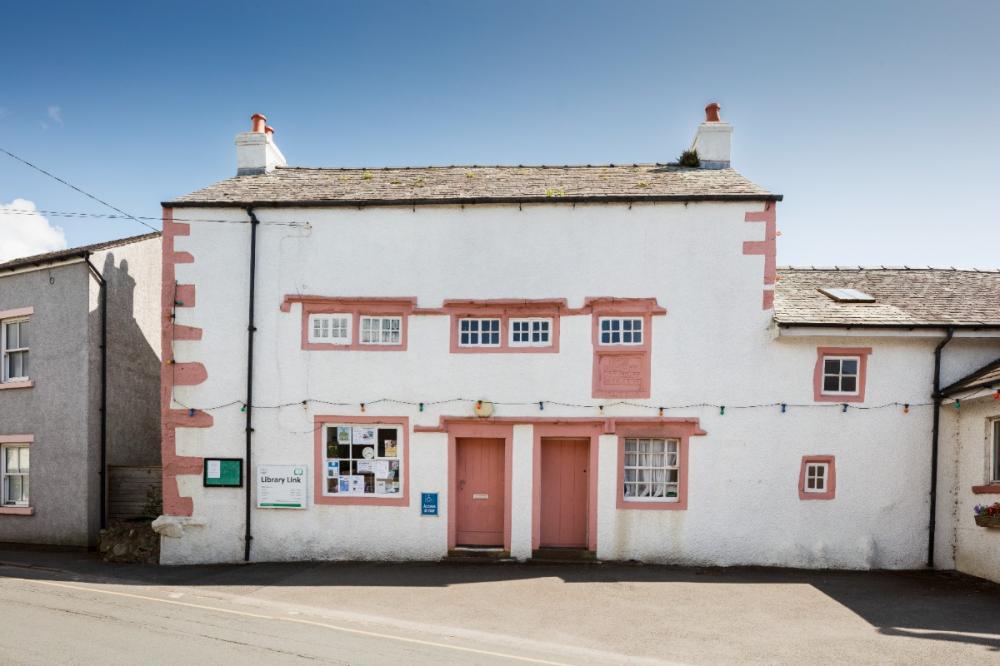
Gosforth Public Hall
Photo: Historic England©
Heritage plays a vital role in the pride people feel about their local place. It gives meaning to the places where people live, work and spend time, connects us, inspires creativity, and boosts economic growth. When it’s not looked after and used, communities feel a sense of decline.
Historic England works together with partners and communities in inventive ways to breathe new life and hope into places that need it most. We want to see ‘at risk’ historic buildings brought back into productive use so they can be enjoyed by local communities and contribute to the local economy.
Flaybrick Memorial Gardens in Birkenhead has been saved and removed from the Heritage at Risk Register. This year alone, nice sites in the North West have been rescued and their futures secured. Many buildings and sites have been rescued with the help and commitment of local people, communities, charities, owners and funders including The National Lottery Heritage Fund.
In addition, significant progress has been made with the No.7 Bottle Shop in St Helens.
Given the environmental impact of demolishing buildings and replacing them, the greenest building is the one that already exists.
Historic England is harnessing the power of heritage for the planet, contributing to achieving net zero carbon emissions by facilitating the adaption and reuse of historic buildings.
There are also more buildings and places which need help. The Church of St Wilfrid in Standish, Wigan, Gosforth Public Hall in Cumbria and the Priory and Parish Church of St Mary in Lancaster have all been added to the Register in the North West.
Over the past year, 13 historic buildings and sites in the North West have been added to the Register because they are at risk of neglect, decay or inappropriate development.
The heritage we see all around us impacts how we feel about our local places. The annual Heritage at Risk Register gives us the opportunity to celebrate the many benefits of bringing our historic buildings back into use.
The best way to protect our buildings is to reuse them, turning them into places of local connection and joy. The sites that have been saved and have come off the Register this year really highlight the benefits of working together in partnership, and with communities, to create positive, sustainable change. Together we can safeguard our heritage for future generations.
“We are determined to protect the heritage at the heart of our communities.
“It is fantastic to see so many historical sites saved for communities up and down the country. These are much loved places and it is great to see them being brought back in to use. This year alone our £15 million Heritage at Risk Capital Fund has been key to saving buildings like these.”
Buildings And Sites Saved In The North West Include:
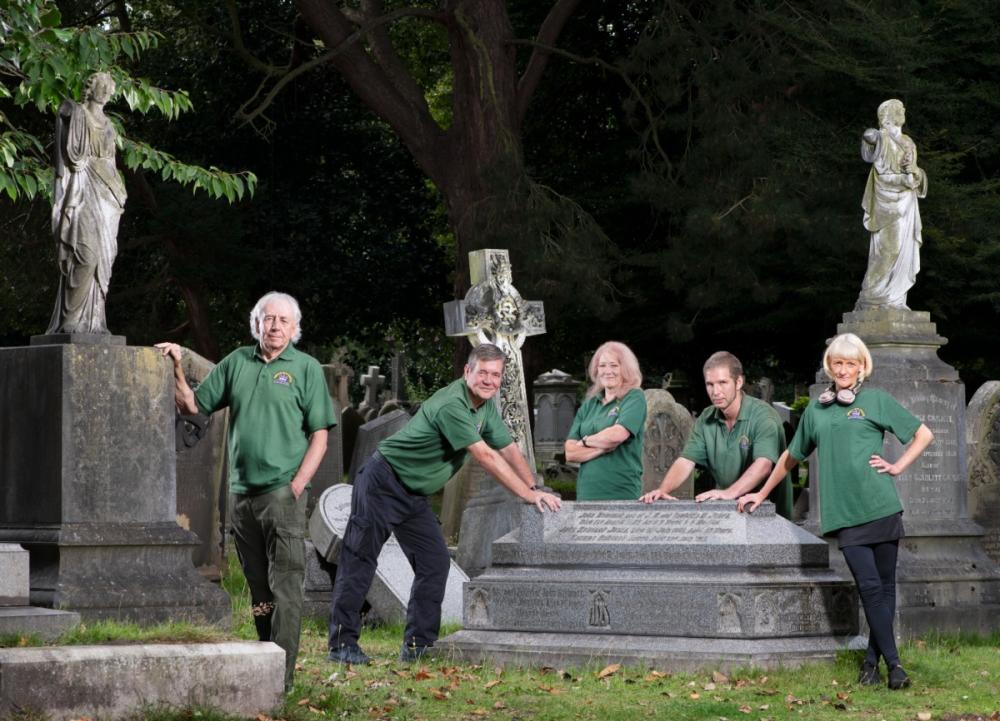
Flaybrick Memorial Gardens
Photo: Historic England©
Flaybrick Memorial Gardens, a Grade II* Registered Park and Garden in Birkenhead, has been removed from the Heritage at Risk Register.
This High Victorian Gothic style public cemetery, designed by the renowned landscape architect Edward Kemp in the 1800s, represents a rare and largely intact example of Victorian cemetery design. Kemp himself is buried in the grounds he created.
The site was placed on the Heritage at Risk Register due to the lack of a plan to address the site's complexity, and poor structural conditions, with many monuments obscured by overgrown vegetation.
Historic England and Wirral Council collaborated with the Friends of Flaybrick through multiple grant programmes supporting structural surveys, restoration work, and development of a comprehensive Conservation Management Plan. The Friends group worked closely with Wirral Council to clear vegetation, restore headstones and establish a regular maintenance programme.
This continuous conservation programme, led by the community, has delivered the restoration of an outstanding example of Victorian landscape design.
Buildings That Have Made Progress In The North West:
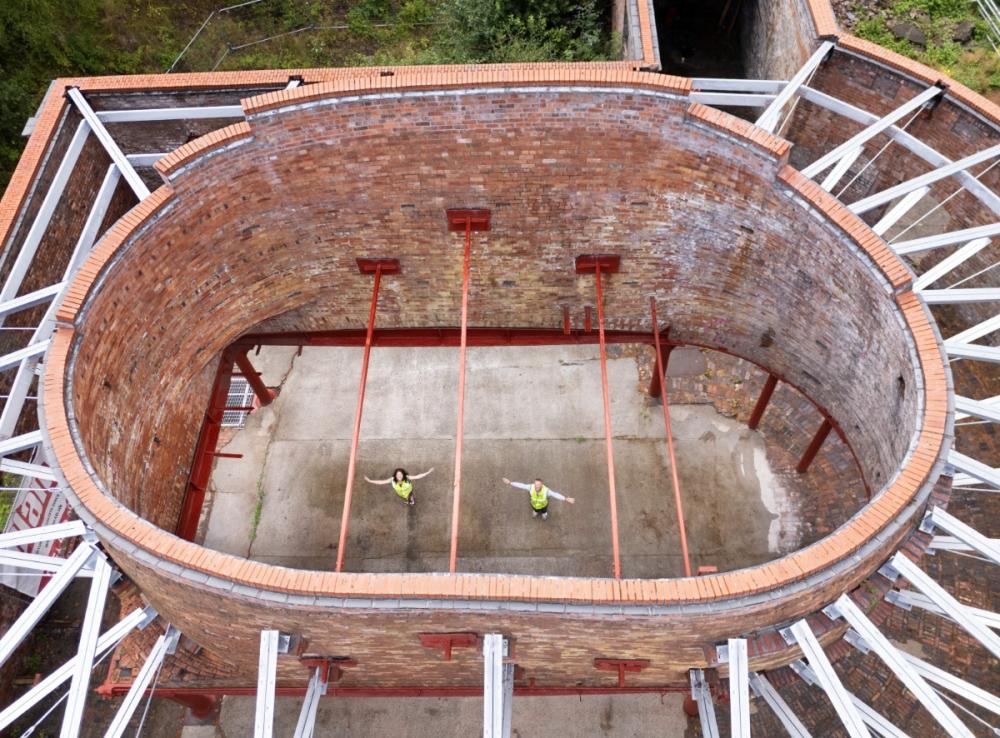
No.7 Bottle Shop, St Helens
Photo: Historic England©
No.7 Bottle Shop in St Helens, a Grade II listed building and Scheduled Monument, operated from 1886. This innovative facility established St Helens as a global centre for glass manufacturing, producing thousands of bottles that were exported worldwide.
Left isolated following the demolition of the wider Sherdley factory site in 1982, this important industrial building was added to the Heritage at Risk Register and continued to deteriorate for decades.
Managed by the Cannington Shaw Preservation Trust CIC, the building has now undergone a remarkable transformation. A £1.3 million Town Deal investment funded essential works that have improved the building's condition, and the Trust is now working to create a community space providing a home for events, leisure and education.
The project has also provided training opportunities and tours that reconnect local people with their industrial heritage, demonstrating how local expertise and community involvement can revitalise at-risk historic buildings.
Sites At Risk And Added To The Register In The North West In 2025 Include:
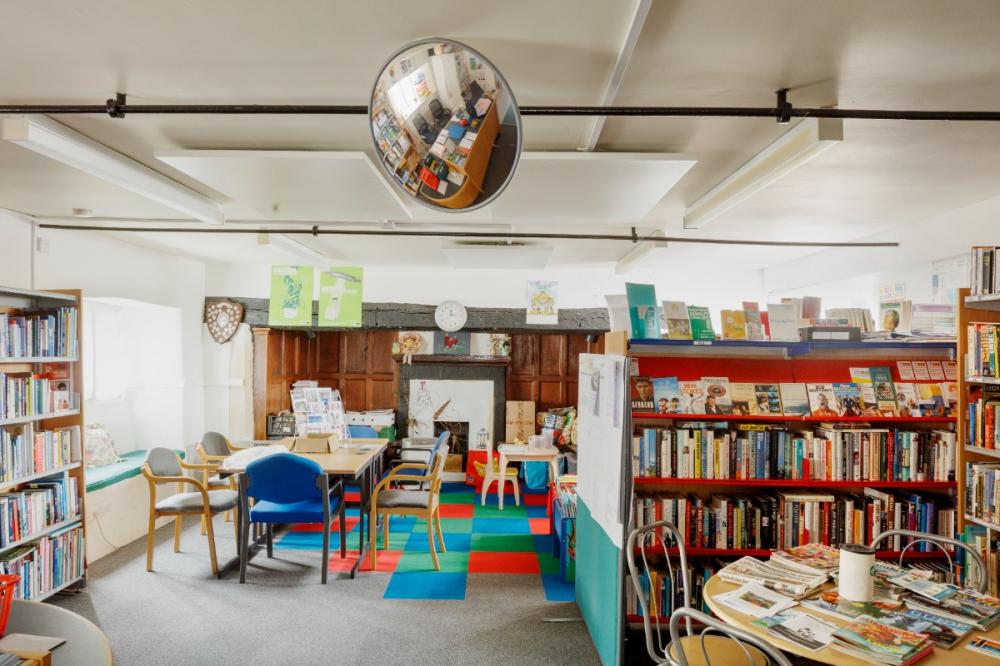
Gosforth Public Hall
Photo: Historic England©
Gosforth Public Hall, a Grade II* listed building in Gosforth, Cumbria, has been added to the Heritage at Risk Register due to severe damage to the fabric of the building. This 17th-century hall, originally built around 1628 for Robert and Isabel Copley, houses the village library, meeting rooms, and sharing space with the 1930s village hall.
The building’s notable features include beamed ceilings and an inglenook fireplace. The hall faces significant structural challenges with driving rain penetrating through the roof and walls, threatening its long-term viability as a well-used community facility.
Historic England has committed £425,000 to support comprehensive repairs to the Grade II* listed section. The planned restoration work includes complete re-roofing, re-rendering of weather-exposed elevations, and essential window and masonry repairs.
These improvements will provide long-term resilience for this cherished rural community hub, ensuring it continues to serve local residents whilst preserving its historical character for future generations.
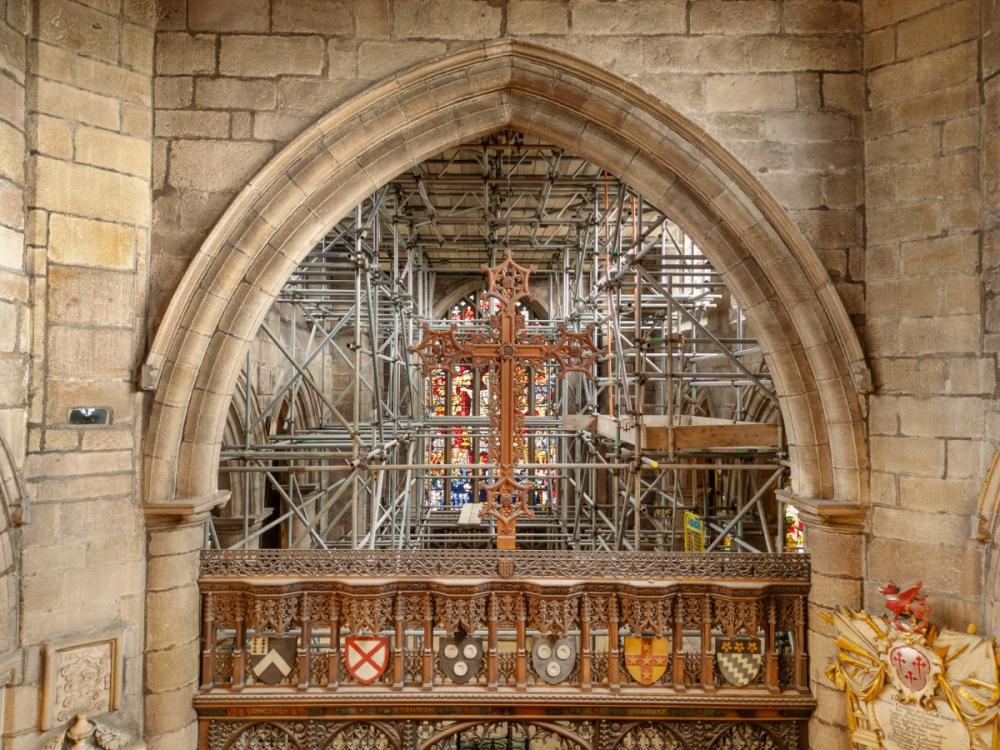
The Church of St Wilfrid, Standish, Wigan
Photo: Historic England©
The Church of St Wilfrid in Market Place, Standish, Wigan, has been added to the Heritage at Risk egister following a death watch beetle infestation that has affected its decorative timber ceilings.
This Grade I listed church, dating from the 1580s, represents a rare example of late 16th-century ecclesiastical architecture. The building is particularly significant for its innovative use of Tuscan columns in the nave and chancel arcades, believed to be the earliest application of this classical order in England.
The church features richly moulded roof beams throughout, with the nave displaying tie beams bearing armorial decorations and dates. Notable interior elements include a 17th-century communion rail and an elaborately carved pulpit from 1616.
The death watch beetles threaten the building's historic timber features, which are integral to its significance. Urgent conservation measures will be required to preserve this exceptional example of Elizabethan church architecture for future generations.
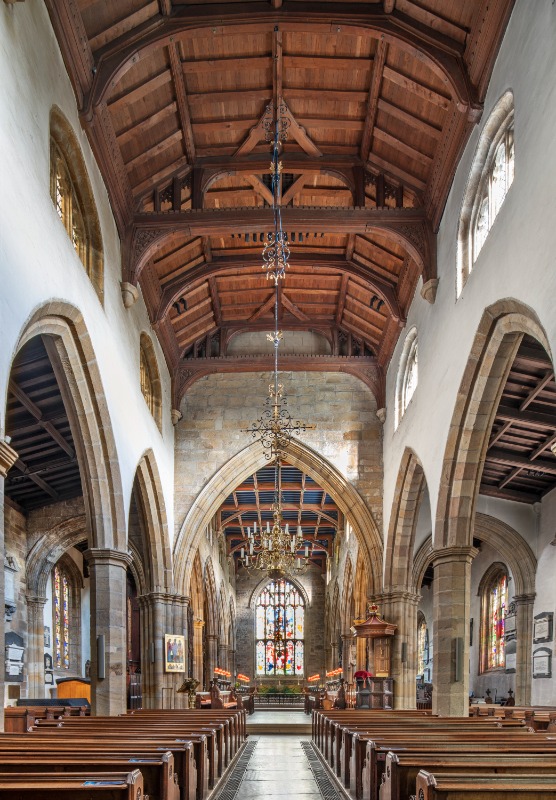
Priory and Parish Church of St Mary in Lancaster
Photo: Historic England©
The Grade I listed Priory and Parish Church of St Mary in Lancaster has been added to the Heritage at Risk Register due to subsidence affecting the alignment of its south aisle.
This significant Anglican parish church, largely dating from around 1430, stands on an earlier site and represents exceptional medieval craftsmanship. The building features a distinctive west tower built in 1754-5, and a south porch and north chapel from 1903.
The church showcases remarkable architectural details, including richly carved choir stalls with what renowned architectural historian Nikolaus Pevsner described as "about the most luxuriant canopies in the country". Ten surviving misericords - hinged wooden shelves or ledges in church choir stalls - include depictions of lions and monsters.
The subsidence threatening the south aisle puts this architecturally and historically significant building at risk, requiring urgent intervention to preserve its medieval structure and exceptional decorative features.