



search
date/time

Thu, 4:00AM
clear sky
8.4°C
ENE 10mph
clear sky
8.4°C
ENE 10mph
 | Sunrise | 4:36AM |
| Sunset | 7:39PM |  |
P.ublished 17th September 2025
arts
From Personal Pain To Political Performance: How Section 28 Shaped A Dance Trilogy
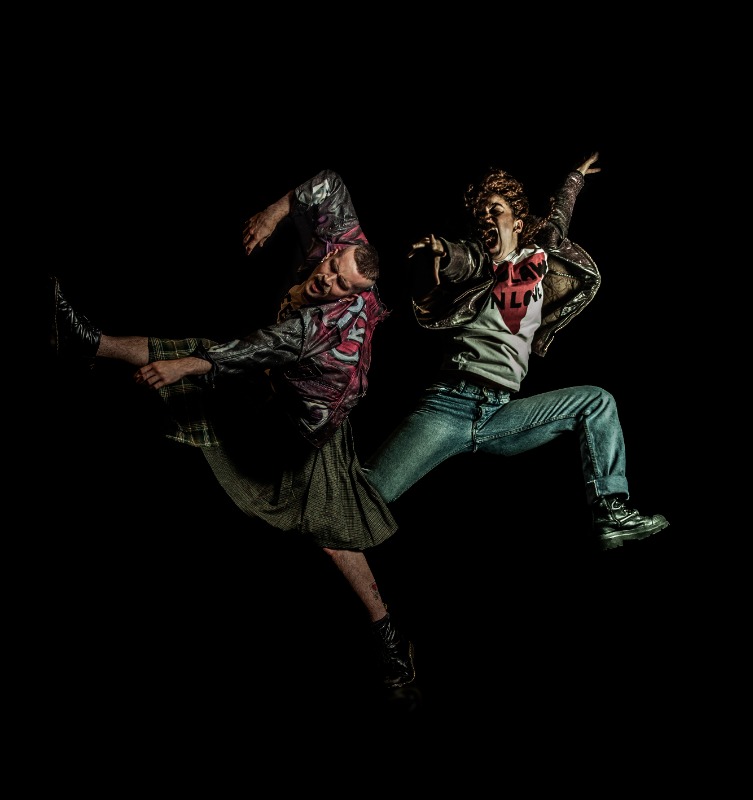
DETENTION alex and imo
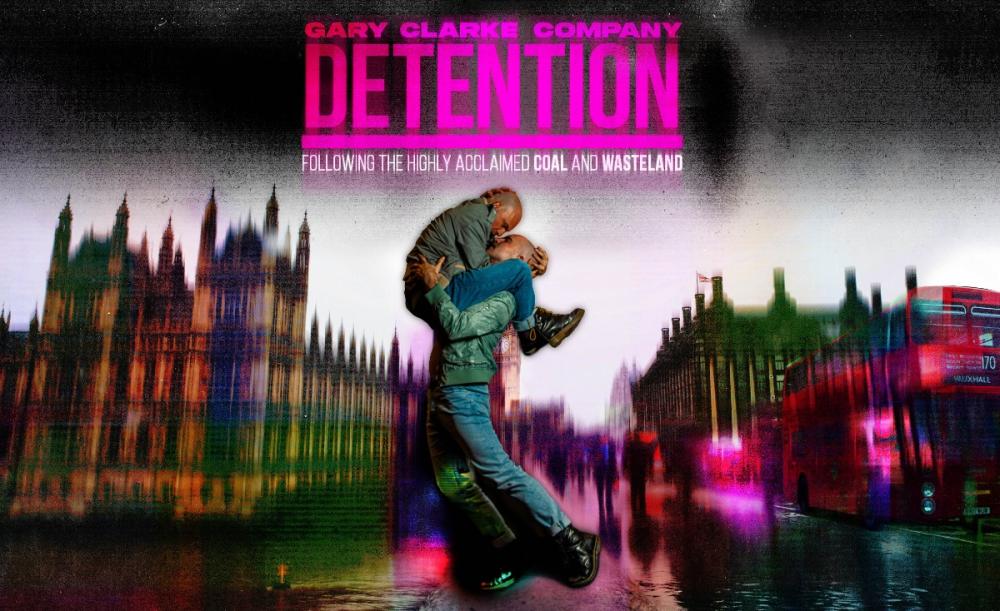
DETENTION is a sequel to COAL and WASTELAND, and what unites those pieces is Thatcher’s government, and following those first two pieces it felt right to complete the trilogy. I started to look at the political landscape, particularly for marginalised communities, and I was personally affected by Section 28 but didn’t really know about it. By researching it, I understood what a huge impact it had. I wanted to highlight a legislation that was hidden and put it in the public consciousness in terms of the impact it had on the LGBT+ community, looking at today’s society and knowing that a lot of the issues are still very present today. I wanted to join the past with the present. That was the starting point. As a gay man living under Section 28, it shaped my childhood and early adult years. DETENTION creates that blood line through all three works, drawing from my own experience growing up in the 80s and 90s.
How would you describe your choreographic style?
My audiences come first and whenever I’m creating work. I want them to feel, and to walk away having experienced something that will emotionally challenge them on many levels and make them think, so I create work that has strong narratives or subject matters that run through it. I aim to get those narratives across with movement as the main vehicle, working a lot with gesture and natural movement, making work that feels real. People have described my work as dance documentary, and I am interested in getting to the truth and portraying stories with accuracy and authenticity.
Contemporary dance can be quite abstract, and I want the meaning to be very clear. I don’t like audiences to be confused, I want them to know what’s going on so that they can feel it, and so that people that are new to theatre can connect with it. I think that’s to do with my upbringing and pathway into the arts. I am very interested in shape and pattern and the architecture of movement on stage, designing it to make it pleasing or evocative. The dance in DETENTION is incredibly physical; the body is a tool for expression, pushing physical language to extremes. It’s visceral high-energy movement that tells stories.
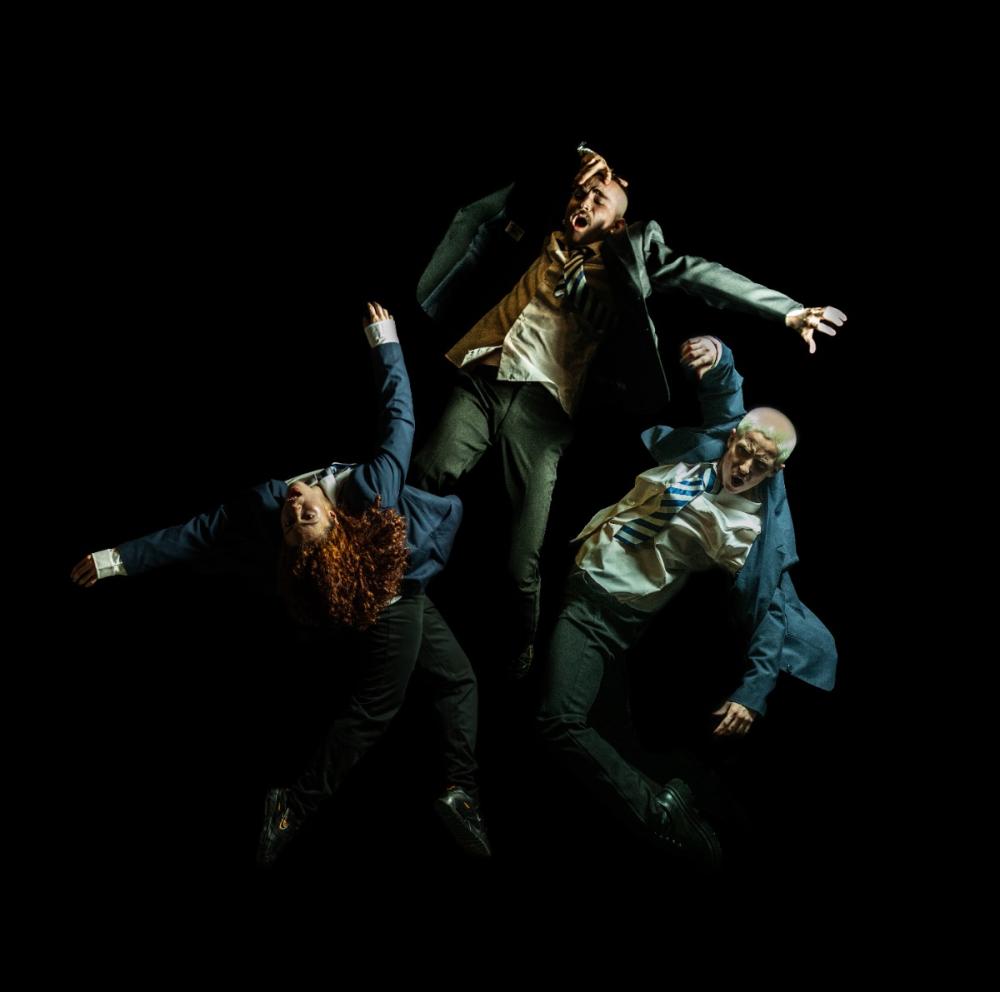
DETENTION montage school trio
Photo: Joe Armitage
I go on a 6 month research project to immerse myself in the subject matter and I collect a lot of information… It’s rigorous and I draw from wide range of sources including media coverage, journals, archives, and I talk to people and it’s methodical and layered. Then I edit down and distil the information into themes and ideas I’m interested in and build a timeline of events which becomes a structural and creative framework on which I build the show. It needs to have a logic and a chronology so that the narrative is clear.
DETENTION follows your highly-acclaimed COAL and WASTELAND, which were also set during the time Margaret Thatcher was Prime Minister. What drew you to explore that particular time in Britain's history?
Because I lived through it, it’s personal for me and it shaped so much of how my family and I lived our lives, and also the country. When we look back at the Thatcher years, there was so much happening in terms of fashion, music and art, and it became political and loud and creativity became a tool for activism out of government oppression, so I’m always pulled back to the 80s. I am inspired by the energy of what was going on in the country, particularly in working class communities like the community I am from, who were fighting for their livelihoods. It’s in my blood and part of my DNA and I want to add to that legacy. I’m really connected to the communities I’m making work about and wanting to keep those memories alive.
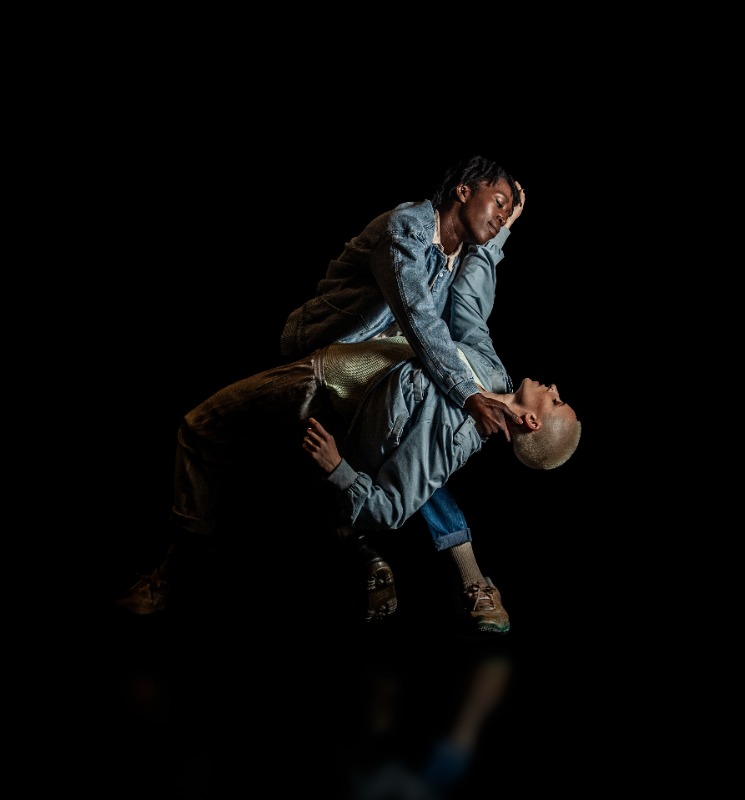
DETENTION female duet
Photo: Joe Armitage
I went to three main institutions; Bishopsgate Institute in London, The People’s History Museum in Manchester and Manchester Central Library, and I spent days in there and what I uncovered was brutal and eye-opening, and I found out just how massive the shadow of Section 28 was. It bled into everything. I started my research in 1988 when the legislation came in, and there was so much that led up to it, it forced me to look back all the way to Henry VIII and the 1533 buggery act. Looking at the language being used against our community, by leaders and the public. It was very loud, but there was also a lot of defiance and community and loving each other and heroes and allies. Amongst the pain there’s celebration, and it strengthened our community. There’s a lot of tenderness and hope. And then I worked out how to shape that into a show. You can’t tell everybody’s story, so I had to decide what needed to be seen and heard, and to work out how that can translate into the body and movement. Protests, for example, are part of the piece and they have a visceral physical language of walking, chanting, punching the air. My dancers and I put together an action list to explore and start piecing together movement, which I then shape.
Why is it important to you to include a community cast in your productions?
It feels wrong to make a piece about a particular community and not involve them. These people are at the heart of the subject matter, and I want there to be a real authenticity to the piece and for them to be able share their stories and reconnect with their pasts - and be advocates for change. The members of the community cast are the real deal, it’s an intergenerational mix of people who were there at the time, of all ages, shapes and sizes and backgrounds. We’ve been lucky to work with incredible people, and as a company to be connecting with them and having them in the work and representing themselves in the show and performing the work, it’s incredible for me and I’m so glad they want to be a part of it. It’s a wonderful element of the show.
How do you select the community cast, and what is their role in DETENTION?
We put a call out telling people about the show and they come to a taster session to meet the company and me. We teach some movement and it’s an opportunity to see if it is for them. We select five people we feel fit the work closely, people who were really at heart of what we’re exploring and a diverse mix of people who represent many stories on stage.
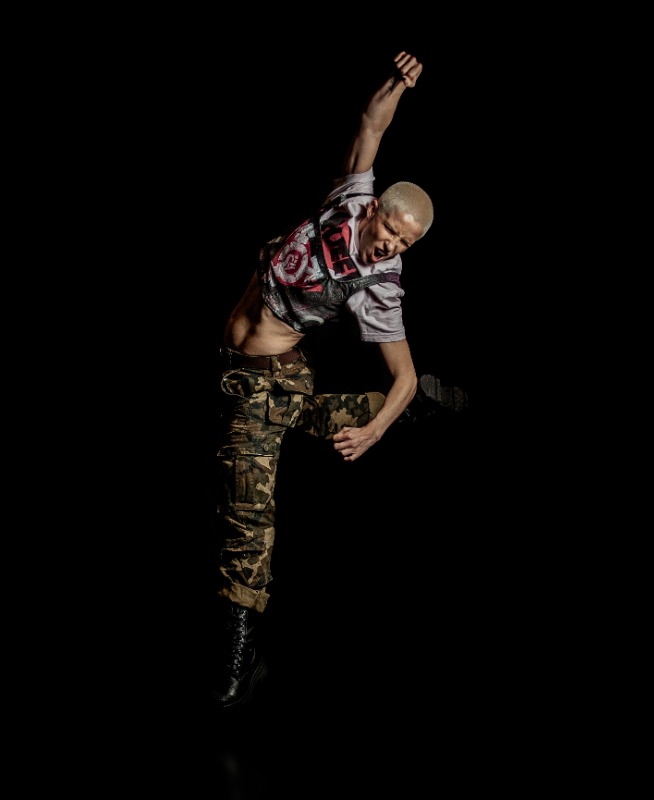
DETENTION jemima Solo protest jump
Photo: Joe Armitage
I’m really excited to be back out on tour; it’s great to be out there and meeting new audiences and bringing fresh new work to regional theatres. I’m excited about new audiences that will encounter this show. It has a very specific subject matter, and I hope will connect with lots of LGBT+ people and I’m so interested in who’s going to come and see the show, and I’m intrigued about what people will take from it and how they are going to perceive this work.
What can audiences expect from DETENTION?
It’s a roller-coaster ride; it’s political, personal, public and private. It’s a rich mix of movement theatre and visual design, and it’s very arresting and emotional. I want people to learn about Section 28 and leave feeling like they’ve learned something about it and have a level of understanding and empathy, and I want to reflect the resilience of our brilliant community and give people a sense of understanding of the time and to connect that with today and what’s going on now.
NEWCASTLE | Northern Stage |
Tue 16 & Wed 17 Sep 2025, 7.30pm
For Tickets northernstage.co.uk or 0191 230 5151
DONCASTER* | Cast |
Tue 30 Sep & Wed 1 Oct 2025, 7.30pm
For Tickets castindoncaster.com or 01302 303 959
BLACKPOOL* | The Grand |
Wed 8 & Thur 9 Oct 2025, 7.30pm
For Tickets blackpoolgrand.co.uk or 01253 290 190
* = Co-commissioner