



search
date/time

Mon, 7:00PM
scattered clouds
23.1°C
SW 3mph
scattered clouds
23.1°C
SW 3mph
 | Sunrise | 4:04AM |
| Sunset | 8:30PM |  |
P.ublished 15th May 2026
nature
First-Ever Vote Launched To Find Britain’s Favourite Butterfly!
Nation Invited To Choose Its Inaugural Butterfly Champion
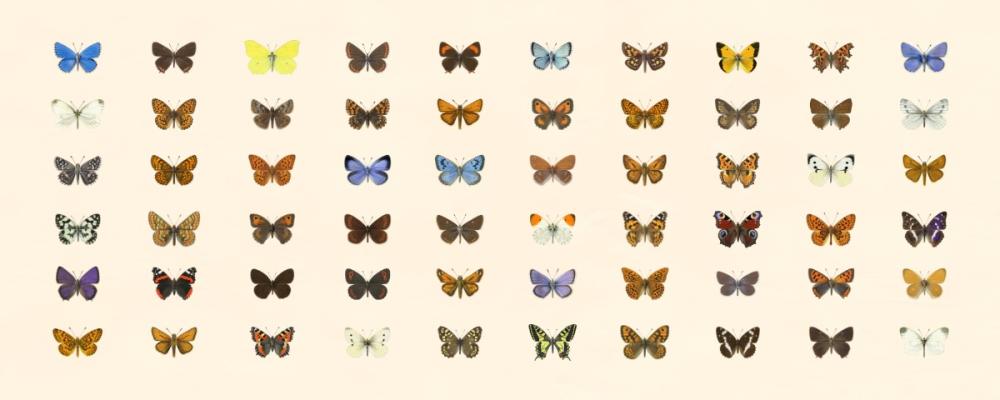
Britain's Favourite Butterfly - 60 species
Illustrations by Richard Lewington
From Friday 15 May - Sunday 7 June, people across the country are being asked to choose the butterfly they love most, whether that be a familiar garden visitor like the Red Admiral, Orange-tip or Holly Blue, or an elusive rarity like the aristocratic Duke of Burgundy or the mighty Purple Emperor
With a plethora of species to choose from, Butterfly Conservation has today launched a dedicated website with fun facts about every single species, where people can cast their vote and even take a fun ‘what’s your butterfly personality?’ quiz to choose their champion.
The charity hopes to encourage children and adults to marvel at butterflies this summer, reconnect with nature and celebrate the diversity and importance of the UK’s most iconic insects.
It’s clear Britain is a nation of butterfly lovers. From Sir David Attenborough and the Royal Family, to the hundreds of thousands of people who have taken part in Butterfly Conservation’s Big Butterfly Count, these incredible insects hold a very special place in our hearts.
Now, for the first-time ever, we want to find out which of our much-loved butterflies takes the nation’s top spot. From the colourful to the quirky, the common to the elusive, all butterflies are beautiful and we look forward to officially crowning Britain’s favourite.
The UK is home to 60 species of butterfly, 58 resident including Large White, Small Tortoiseshell and Green Hairstreak, and two regular visitors - Painted Lady and Clouded Yellow.
For many of us, butterflies are one of our earliest memories of wildlife; in a recent survey they were voted most-loved creatures in childhood.
It’s no surprise butterflies are loved by people of all ages. Their journey from caterpillar to adult is both fascinating and joyful. It is in this almost magical story of transformation that butterflies have the power to connect people to the natural world, and inspire us to keep fighting for a wilder future.
But these incredible insects, which evoke childlike joy, delight and visions of balmy summer days, are in trouble. 80% of species have declined in the last 50 years due to habitat loss, land use change, and climate breakdown.
However, all is not lost. Recent scientific evidence proves that, as well as benefiting our wellbeing, as little as 15 minutes watching butterflies can increase people’s feelings of being connected to nature, which has a direct correlation with how motivated they are to protect it.
In short, time spent simply enjoying spotting butterflies could play a vital role in nature’s recovery.
“No one will protect what they don't care about, and no one will care about what they have never experienced.”
“A few precious moments spent watching a stunning Red Admiral or Peacock butterfly feeding amongst the flowers in my garden never fails to bring me great pleasure.”
With different butterfly species appearing in different areas of the UK, the search for Britain’s Favourite Butterfly could prove fascinating and show some big regional variations in voting.
After analysing 50 years of data, researchers have discovered a clear northward spread for some species, including common garden favourites the Peacock, Comma and Holly Blue, the result of climate change creating warmer habitats for them to survive in.
It will be interesting to see if people in different parts of the UK have different favourites. Some of our native butterflies are garden visitors across much of the UK, some live only in certain areas, and some are more secretive, living in very remote, specialised habitats. But all are equally important as indicators of the health of our natural environment.
The exciting thing about this vote is that anyone, anywhere can take part and root for their favourite. You don’t have to know anything about butterflies! So whether you choose based on a lovely colour, a fun name, what you spot in your garden, or your fondness for a specialist species, it’s what’s important to you that matters.
The highly coveted title is up for grabs. The nation will decide…
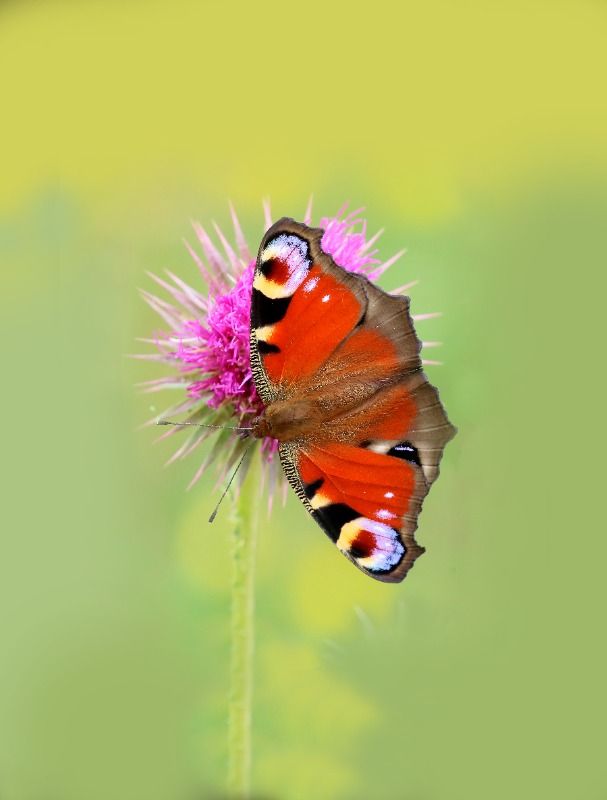
Peacock
Photo: Trevor Goodfellow - Butterfly Conservation
Peacocks flash the “eye-spots” on their wings and make a hissing noise to scare off any predators who might be looking for a snack!
Hairstreak butterflies can wriggle their chrysalis to produce a squeaking sound, which scientists believe could be to help summon an army of ants to protect them!
Red Admirals have been known to fly at night, particularly during their migrations. They sometimes even show up in moth traps!
Large Blue caterpillars pretend to be ant grubs – tricking adult ants using sound and smell into picking them up and taking them back to the nest where they look after them until they turn into an adult butterfly!
Brimstones have a sort of antifreeze in their body which means they can survive when temperatures drop below 0°C
Purple Emperors like to eat poop! They feed on the salts and sugars that can be found in animal droppings.
Painted Ladies carry out an incredibly 9,000 mile migration from tropical Africa to the Arctic Circle – including across the Sahara desert! No individual Painted Ladies make the round trip. Instead, each of up to 10 generations completes a leg of the journey – like a relay race!
Butterfly wings have scales on them – they’re a bit like tiles on a roof!
Butterflies use their feet to taste! This can help with things like choosing which plants to lay their eggs on.
Butterflies can see lots of different wavelengths, including UV light, as well as a wide range of colours that humans can’t see!