



search
date/time

Sat, 10:00AM
broken clouds
15.9°C
S 3mph
broken clouds
15.9°C
S 3mph
 | Sunrise | 5:13AM |
| Sunset | 7:11PM |  |

Graham Clark
Music Correspondent
@Maxximum23Clark
P.ublished 29th August 2026
arts
Review
Albums: Steve Hackett & Steve Rothery - The Roaring Waves
The Storm; Sandsend;Red Dragon;The Roaring Waves; K-129;The Black Sea;Pacific Coast Highway
(InsideOutMusic)
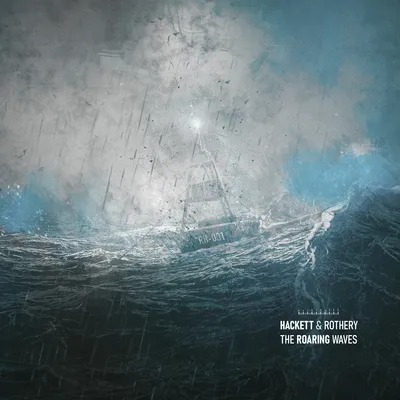
The collaboration between the former Genesis guitarist and Marillion’s long-serving six-stringer has been a long time coming, with the album taking shape over several years. The result is seven entirely instrumental pieces united by the elemental presence of the sea.
And what a pairing it is.
From the opening drama of The Storm, Hackett and Rothery demonstrate just how naturally their styles complement each other. Both are masters of the sustained note, the lyrical phrase and the gradual build, but neither attempts to dominate the other. Instead, their guitars converse, sometimes gently and reflectively, sometimes with a force that suggests waves gathering momentum before crashing against the shore.
Red Dragon brings a more muscular progressive-rock edge, while Sandsend is considerably more atmospheric, allowing the musicians to paint rather than simply play. There is a cinematic quality throughout the album, but this never slips into anonymous soundtrack territory. Every guitar line has personality.
The title track is where the record’s concept really comes into focus. There is grandeur here, but also a sense of mystery and movement. Hackett’s distinctive voice on guitar remains instantly recognisable, while Rothery brings the kind of spacious, singing tone that has defined some of Marillion’s finest moments.
The six-minute-plus The Black Sea is another highlight, unfolding patiently rather than rushing towards a conventional climax. It is music that rewards concentration, revealing new textures with every listen. K-129 and the closing Pacific Coast Highway broaden the palette further, ensuring the album never becomes trapped by its central concept.
It is also a timely reminder that progressive rock does not necessarily need elaborate concepts, lengthy vocals or sprawling compositions to feel progressive. Sometimes innovation comes from two musicians simply giving each other the freedom to explore.
The Roaring Waves is graceful, occasionally majestic and frequently beautiful. It sounds like two hugely experienced musicians rediscovering the simple pleasure of making music together.
Also by Graham Clark...
Albums: Jorja Smith- What Are The Odds Book Review: Tim Pope - I Shoot Rock StarsAlbums: Jungle - SunshineThe Cure Serve Up A Treat In ManchesterAlbums: The Script - The User’s Guide To Being Human The shortened address for this article is: newspub.uk/120r9
Search Results